
The research firm expects no change at November’s policy meeting, with a two-percentage-point hike only coming in 2027 as inflation creeps up from multi-decade lows.
Fitch Solutions expects the Bank of Ghana (BoG), the country's central bank, to end 2026 with its benchmark policy rate still at 14.00%, and to raise it by 200 basis points to 16.00% at some point in 2027.
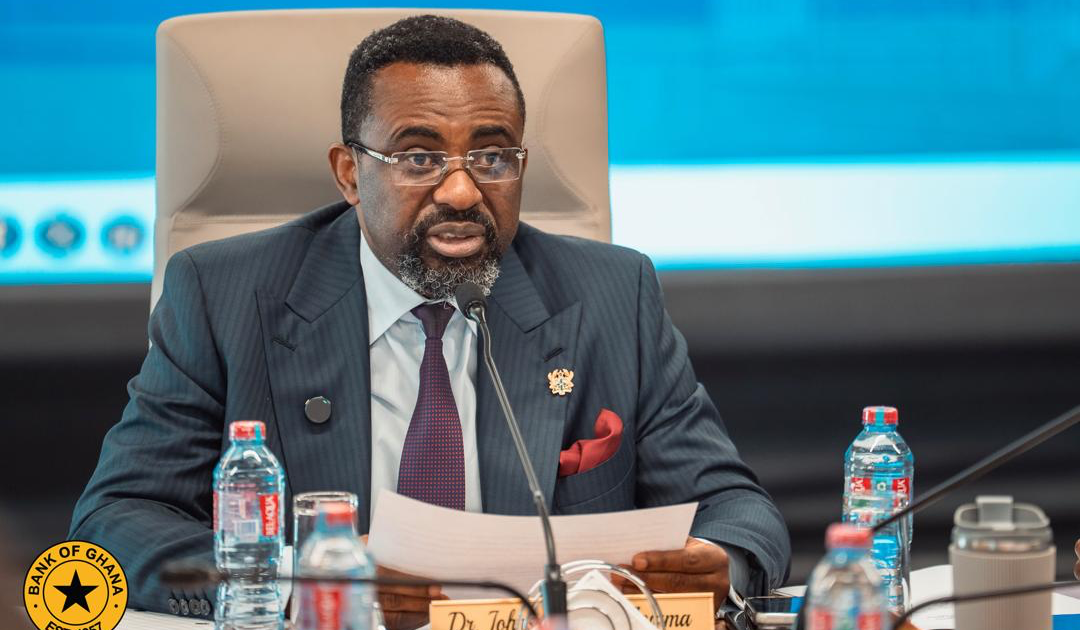
The forecast, published in the UK-based firm's macro insight note on Ghana and reported by The Ghana Report, comes after the BoG's Monetary Policy Committee (MPC) left the rate unchanged at 14% at its most recent sitting. The MPC is the committee that sets the benchmark interest rate, which in turn shapes what banks charge on loans.
Why a hold and not a cut
The firm's argument rests on inflation. Consumer price growth in Ghana has been sitting at levels not seen in decades, averaging 4.0% year-on-year this year. That is far below the 15.7% average recorded between 2010 and 2025, and also below the central bank's own target band of 6.0% to 10.0%.
Fitch Solutions credits three things for the calm: the delayed effect of earlier interest rate increases, favourable base effects from the high prices of the previous year, and a cedi that has been stronger when measured year-on-year.
But the trend is turning. Inflation rose from 3.2% in March 2026 to 5.0% in August 2026, and the firm expects it to reach 6.8% by the end of the year. It points to higher energy costs linked to the ongoing US-Iran conflict, and to the cedi beginning to weaken on a year-on-year basis.
That combination, in the firm's reading, leaves the BoG with little room to cut rates but no urgent reason to tighten either. Inflation, it notes, will stay low by Ghanaian standards and below the midpoint of the central bank's target through the fourth quarter of 2026. A hold at the final MPC meeting of the year in November is therefore the most likely outcome.
What it means on the ground
For households and businesses in Ghana, a steady policy rate means borrowing costs are unlikely to fall before the end of the year. Anyone waiting for cheaper loans will probably have to wait longer, and the 2027 forecast points the other way.
For Ghanaians in the United States sending money home, the cedi's direction matters more than the rate itself. Fitch Solutions flags that the currency is starting to lose ground compared with a year ago, which is part of why it expects inflation to climb.
The next test is the November MPC meeting, where the committee will announce its final rate decision for 2026.