Church leaders say the cheap, easily bought substances destroying young people in towns and villages deserve as much attention as cocaine.
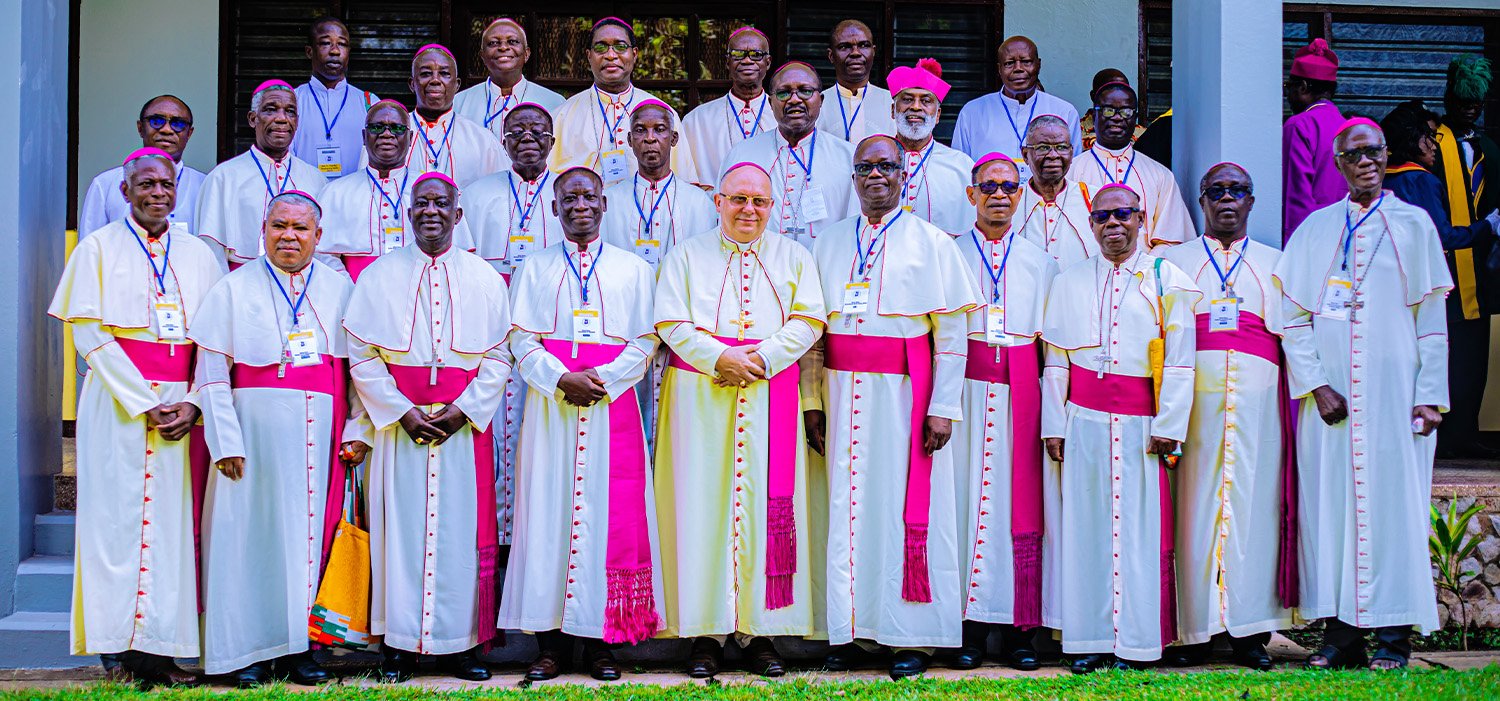
The Ghana Catholic Bishops' Conference is pressing the government to widen its fight against drugs, arguing that tramadol, marijuana and other substances sold openly in communities are doing more damage to young Ghanaians than the high-profile narcotics that usually dominate headlines.
The Conference is the body that brings together the Catholic bishops of Ghana and regularly speaks on national issues.
What the bishops said
Speaking in an interview on Citi News monitored by The Ghana Report, the President of the Conference, Most Rev. Matthew Gyamfi, said drug use among young men and women in villages and towns has reached a point that demands urgent action.
"This is destroying many, many young men and women," he said, referring to tramadol, marijuana and a substance he called "Red".
His central point was about priorities. Enforcement, he argued, should not be built mainly around cocaine when other drugs are being consumed on a far larger scale.
Most Rev. Gyamfi said cocaine is used in Ghana, but "not as massively" as marijuana, tramadol and similar items that young people can simply pick off a shelf.
The call for new laws
Beyond awareness, the bishops want legislation. Most Rev. Gyamfi asked authorities to ban the importation of the drugs in question and to clear them from shelves where they are being sold unlawfully.
Tramadol is a prescription painkiller. It is legal in regulated medical use, which is part of why its abuse is harder to police than trafficking in illegal narcotics. The bishops' argument is that the ease of access is exactly the problem.
The Conference is also asking for tougher enforcement against illegal distribution, alongside prevention work aimed at stopping young people from starting in the first place.
Why it matters
For Ghanaians at home, the appeal touches a familiar scene: young people in small towns and rural areas using substances that are cheap and available without much difficulty.
For Ghanaians in the United States and elsewhere who send money home and follow developments in their home districts, the intervention is a reminder that the drug conversation in Ghana is shifting away from the trafficking stories that make international news and toward everyday substance abuse.
The bishops did not announce any new programme of their own in the interview. Their statement is an appeal to government and law enforcement agencies.
What happens next will depend on whether regulators and lawmakers respond with the kind of import controls and shelf-level enforcement the Conference is requesting.