Cocoa Capital’s debut commercial paper drew strong local demand, but the Ghana Association of Banks says repayment discipline, not the size of the raise, will decide whether the plan works.
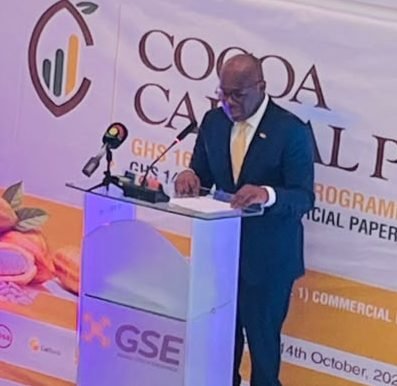
Ghana has taken a notable step towards financing its cocoa industry with money raised at home rather than abroad, after Cocoa Capital PLC pulled in about GH¢3.396 billion from local institutional investors in its first sale of short-term debt.
The instrument, a 266-day commercial paper, attracted bids worth GH¢3.586 billion. It carries an annual yield of 11 per cent and falls due on 28 June 2027. The sale was admitted to the Ghana Fixed Income Market, the platform where debt securities are listed and traded, on 14 October.
It is the first slice of a much bigger plan. Cocoa Capital's total programme is valued at GH¢16.3 billion, made up of GH¢14 billion in commercial paper and GH¢2.3 billion in bonds. Traditionally, cocoa purchases and related activity have leaned on external funding arrangements, often in foreign currency.
Why the cedi matters here
The business and finance outlet Norvan Reports reported the figures and the reaction from the banking industry.
Borrowing in cedis from Ghanaian pension funds, banks and asset managers reduces exposure to currency swings and to the mood of international lenders. Because cocoa earns foreign exchange while some of its costs are local, a mix of cedi funding can create a more balanced structure and deepen the domestic capital market at the same time.
There is a second argument. Ghana's financial system has long been criticised for parking large sums in government securities while productive businesses struggle to find affordable long-term money. A cocoa-linked programme that performs could show that local capital markets can fund real production at scale.
The warning from the banks
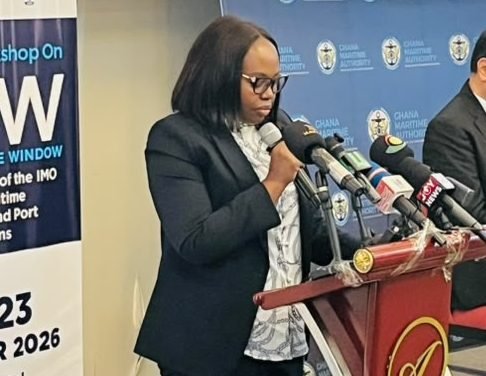
Kwamina Asomaning, President of the Ghana Association of Banks, the umbrella body for banks operating in the country, welcomed the deal but was blunt about what comes next.
"Financial innovation works best when it is accompanied by discipline," he said, adding that borrowing must rest on realistic assumptions about production, revenues, costs and the ability to repay.
He also framed the deal as part of a wider shift, describing it as evidence of "the growing capacity of Ghana to mobilize Ghanaian capital for Ghanaian development."
The caution is grounded in the nature of cocoa itself. Disease, ageing farms, climate pressure and swings in world prices all affect how much revenue is actually available to service debt.
Safeguards and the first real test
Repayment is tied to receivables from selected cocoa forward-sales contracts, with collections routed through designated ring-fenced accounts so export proceeds flow towards investors. That structure helps, but it does not protect against a poor harvest, revenue shortfalls or leakage. Its strength will depend on the legal arrangements and on continuous reporting rather than one-off disclosure at issuance.
Analysts also flag concentration risk. Nearly GH¢3.4 billion of institutional money has already gone in, and the programme is far larger. Issued too quickly, it could compete with private borrowers for a limited pool of domestic savings.
The 28 June 2027 maturity will be the first credibility check. Paying in full and on time would lower the cost of future tranches. Any delay would raise borrowing costs across the system.