At a regional workshop in Tema, the UN maritime agency said port systems that cannot talk to each other keep cargo costs high across West and Central Africa.
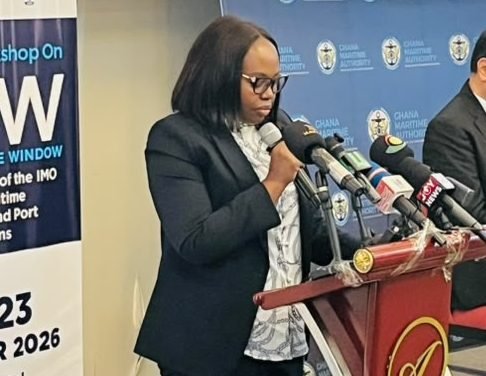
Buying new software will not make an African port faster if the agencies using it still cannot share information with one another. That was the central message from the International Maritime Organization (IMO), the United Nations body that regulates global shipping, at a regional workshop held in Tema.
Issa Mwajita, who heads the IMO's Africa office, said scattered information-sharing arrangements, repeated paperwork and poor coordination among maritime institutions continue to push up operating costs, slow down cargo and weaken the competitiveness of regional supply chains. Her remarks were reported by Norvan Reports.
"When information is repeated repeatedly and processed through various systems, or delayed between institutions, the consequences are normally felt throughout the transport chain," Ms Mwajita said.
Why one port's delay is felt hundreds of kilometres away
The IMO official noted that efficient maritime transport is essential to economic development in West and Central Africa. Landlocked neighbours rely on coastal ports, transit corridors and border agencies to reach international markets, so congestion at a single gateway raises prices for producers and consumers far inland.
For businesses working on thin margins, delays mean higher storage and transport charges and more working capital locked up in goods sitting at a terminal. Unpredictable delivery dates also make manufacturers less dependable suppliers, discouraging them from joining time-sensitive regional and global value chains.
Two systems, two different jobs
The IMO draws a distinction between two tools that are often confused.
A Maritime Single Window (MSW) allows all the information needed for a ship's arrival, stay and departure to be submitted at one electronic point and then used by the authorised regulatory agencies.
A Port Community System (PCS) goes wider, linking the public and private players in maritime transport and logistics, including freight forwarders, terminal operators, cargo owners and inland hauliers.
Running an MSW does not automatically join up the rest of the port, Ms Mwajita cautioned. A vessel can clear its regulatory formalities online while everyone else in the chain is still stuck with disconnected processes.
Rules, money and security
She said real integration needs common data standards, agreement on how information is collected and reused, and agencies willing to accept data submitted through another institution. It also needs clear legal responsibility, sustainable funding and change management, since maintenance, licences, upgrades and technical staff must be paid for long after donors leave.
Cybersecurity, she added, must be built in from the start, because a successful attack or long outage could halt vessel clearance, cargo processing and revenue collection at once.
The Tema workshop, which follows similar sessions in Dar es Salaam and Abidjan, brought together maritime administrations, port authorities, customs officials, regional bodies and development partners, with support including the World Bank and the Korea–World Bank Partnership Facility.