The National Security Council Secretariat is collecting views in all 16 regions before drafting Ghana’s next five-year security plan.
Ghana is drawing up a new National Security Strategy to cover 2026 to 2030, and officials have begun asking people in the regions what threats they actually face.
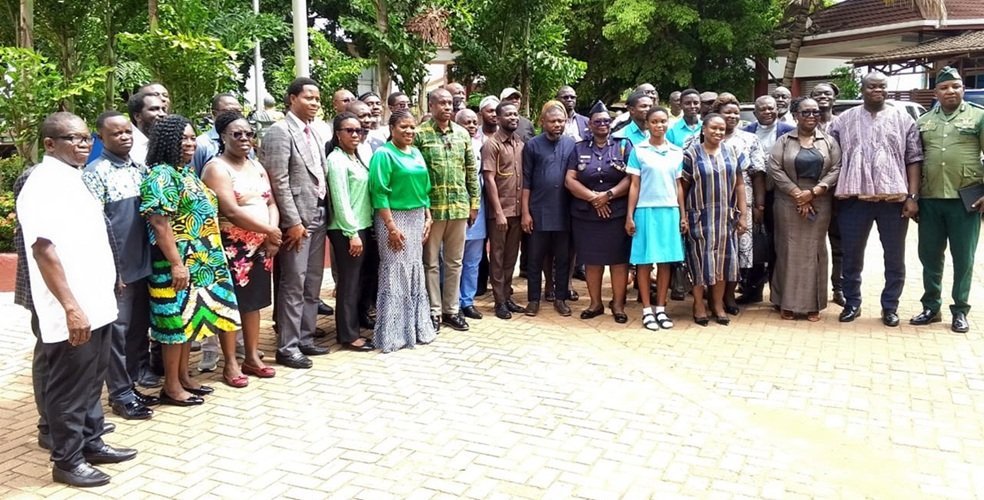
A three-day consultation opened in Techiman in the Bono East Region on Wednesday, bringing together stakeholders from Bono, Bono East and Ahafo. The Ghanaian Times reports that the sessions are giving participants a chance to review how the outgoing 2020-2024 strategy worked in practice and to name newer risks that the next plan should cover.
All 16 regions to be covered
Mr George Loh, Deputy Director of Legal at the National Security Secretariat, told the opening session that similar meetings are being held in every one of Ghana's 16 regions. The aim, he said, is to make sure the final document reflects concerns raised by communities rather than being written only from Accra.
The National Security Council Secretariat (NSCS) is the body that coordinates the work of Ghana's security and intelligence agencies and supports the National Security Council, which the President chairs.
Mr Loh said the consultations are meant to collect regional views on "security threats, risks, vulnerabilities, and emerging concerns confronting the country", and to gather input that will feed into a revised, forward-looking strategy.
He argued that the nature of security problems has shifted away from the conventional threats authorities were used to handling, and said every Ghanaian now has a part to play in the country's security arrangements. Picking up risks at the regional level, he said, allows the Council to design practical responses before problems grow.
He added that the strategy will only succeed if people who live with the challenges daily contribute to shaping it.
Ahafo's economy cuts both ways
Speaking for the Ahafo Regional Minister, Ms Charity Gardiner, the Chief Director of the Ahafo Regional Coordinating Council, Mr Joseph Frimpong Naayo, welcomed the exercise as a useful step towards better security in the regions.
He pointed out that mining, forestry and farming give Ahafo real economic weight, but that those same activities can create security pressures if they are not managed well. He urged participants not to treat the meeting as a formality and to offer concrete suggestions.
Why it matters
For Ghanaians at home, a national security strategy sets the framework that shapes how agencies prioritise everything from land and resource disputes to border risks over the next five years.
For Ghanaians in the United States and elsewhere with family, land or business interests in the Bono, Bono East and Ahafo areas, the exercise signals that mining and forestry zones are being looked at through a security lens, not only an economic one.
The source report does not say when the full strategy will be completed or published. That will become clearer once the regional rounds are done.