A summit commitment gives Ghana’s long-running nuclear ambitions a named partner, yet no cost, site or financing plan has been made public.
Ghana and Russia have agreed to work together towards building a 2,000-megawatt nuclear power plant, Foreign Affairs Minister Samuel Okudzeto Ablakwa has announced following talks in Moscow.
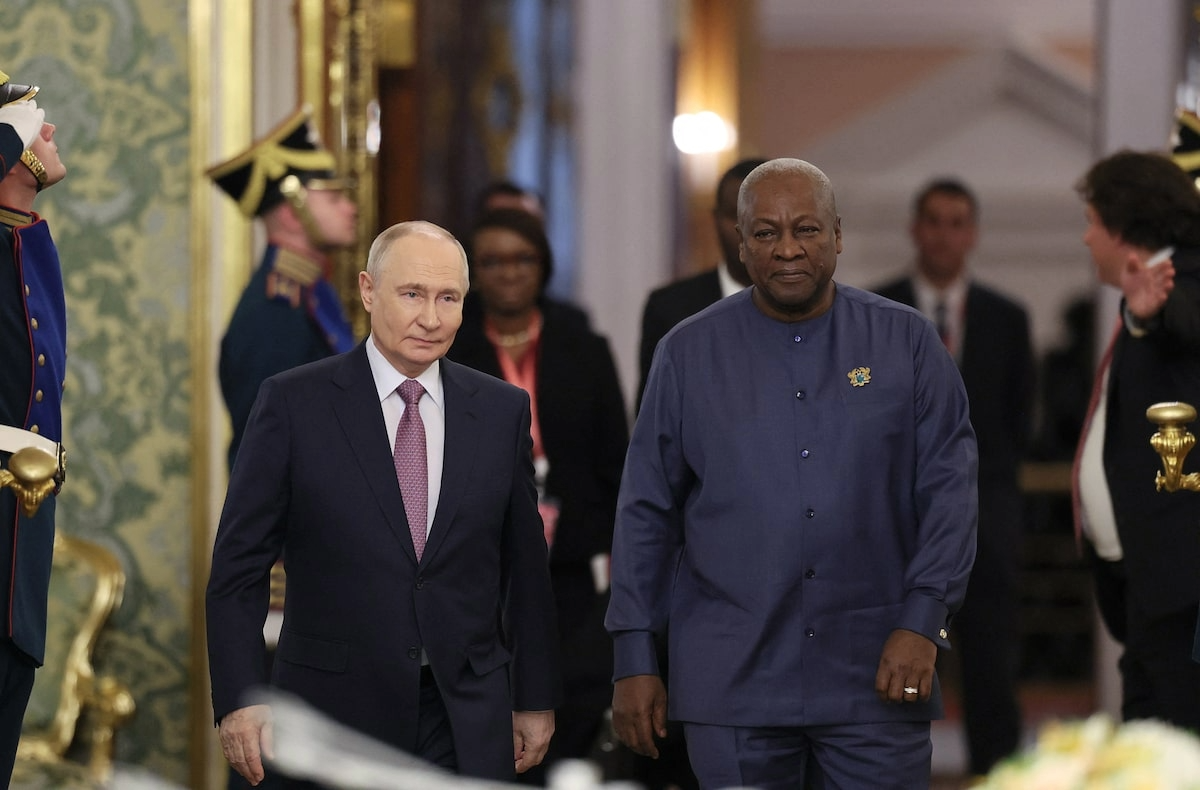
The agreement came out of discussions between President John Dramani Mahama and Russian President Vladimir Putin on the sidelines of the Russia-Africa Summit, as reported by Norvan Reports.
What has actually been agreed
At this stage, the two governments have committed to cooperate. That is not the same as a signed construction contract.
No project cost has been announced. No financing structure, construction timetable, site or reactor design has been made public either. There is also no indication that a final investment decision has been taken.
For readers trying to judge how real this is, those are the numbers to watch. A 2,000MW figure sets a target, but it says nothing about when the first unit could feed the national grid or what a kilowatt-hour from it would cost.
Where it fits in Ghana's nuclear plans
Ghana has been working on a nuclear programme for some years. What the Moscow announcement does not clarify is whether this new partnership moves that existing process forward or sits alongside it as a separate arrangement.
That question matters for businesses and investors who need to know which procurement track is live and who the responsible project entities are.
The announcement also follows a statement by Rosatom, Russia's state nuclear corporation, that it is in talks on large nuclear projects with four African countries, Ghana among them. In other words, Ghana's proposal is part of a wider Russian push into energy deals across the continent.
The rest of the package
According to Ablakwa, the Moscow talks covered more than electricity. The two countries agreed to revive their Permanent Joint Commission for Cooperation, a standing bilateral body that coordinates joint programmes. Russia is expected to host the next meeting.
On agriculture, the cooperation is meant to support grain production and improve Ghana's access to fertilisers. Russia also agreed to increase scholarship places for Ghanaian students.
A defence component is intended to help Ghana acquire strategic military equipment.
Ablakwa further said Putin agreed that Ghanaians would no longer be allowed to take part in Russia's war in Ukraine, whether through irregular recruitment or by volunteering. That assurance comes from the minister's own account of the meeting.
What to watch next
The practical test will be whether concrete milestones follow: the scope of the cooperation, the named project companies, how the plant would be paid for, and which regulatory approvals must be cleared before any ground is broken.
Financing terms, ownership, power purchase commitments and who absorbs the cost of delays will shape whether the plant eventually delivers affordable, reliable power or an expensive obligation.
Until those details are published, this remains a political commitment to work towards a plant, not a project under construction.