The donation, part of a US$4.5 million heritage package, targets climate damage to monuments that draw thousands of diaspora visitors each year.
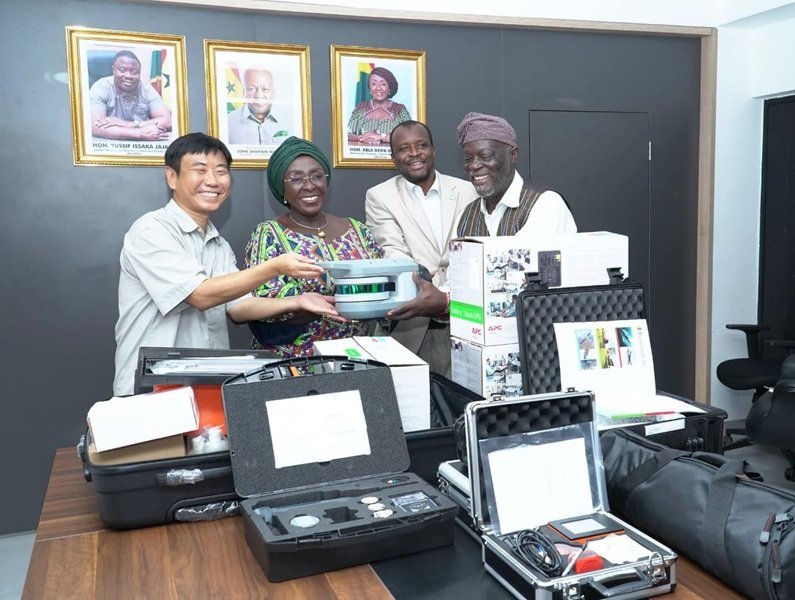
Ghana has received a second consignment of equipment from the Government of the Republic of Korea to help study, maintain and preserve the country's historic forts and castles.
The items were handed over at a ceremony in Accra on Wednesday under the Korea-Ghana ICT Climate Project, a partnership that applies information and communications technology tools to climate-related challenges.
What the equipment is for
The tools will go to the Ghana Museums and Monuments Board (GMMB), the state agency responsible for managing the country's museums, monuments and heritage sites.
The focus is climate change. Rising sea levels, coastal erosion, heavier rainfall and salt damage all take a steady toll on structures that were built centuries ago along Ghana's shoreline. The equipment is intended to strengthen the Board's ability to monitor and respond to that damage.
Ghanaian Times reported that the handover followed an earlier consignment under the same project, making this the second delivery.
The wider Korean support
Abla Dzifa Gomashie, Minister for Tourism, Culture and Creative Arts, thanked Korea at the ceremony for what she described as continued backing for the sector.
She cited a US$4.5 million Korean intervention covering heritage preservation, technical assistance and capacity building. Capacity building here means training Ghanaian staff so they can carry out conservation work themselves rather than depending on foreign experts for every task.
The Ministry said it remains committed to working with international partners to protect what it called Ghana's priceless heritage for present and future generations.
Why forts and castles matter
Ghana's coastline carries one of the densest concentrations of European-built forts and castles anywhere in the world. Cape Coast Castle and Elmina Castle are the best known, and both are central to the story of the transatlantic slave trade.
For Ghanaians in the United States, these sites are more than tourist attractions. They are the anchor of return-to-roots travel, and the reason initiatives aimed at the diaspora have consistently pointed visitors to the Central Region. Damage to the structures is therefore not only a cultural loss but a direct threat to a tourism stream that brings foreign exchange and jobs to coastal communities.
What happens next
The source report did not state when further consignments might arrive, nor did it break down how the US$4.5 million is being spent across the different components of the programme.
What is clear is that the GMMB now has additional tools at its disposal, and that the Ministry is framing climate adaptation as part of its heritage work rather than a separate issue.
For readers following from abroad, the practical test will be visible over time: whether conditions at the major sites improve, and whether Ghanaian conservation staff are trained to keep the work going after the donor project ends.