The former University of Ghana Vice-Chancellor says widening access to schooling without creating jobs will keep producing unemployed graduates.
Ghana should stop measuring success in education by how many students it pushes through the system and start asking whether those students can find work, former University of Ghana Vice-Chancellor Professor Ernest Aryeetey has said.
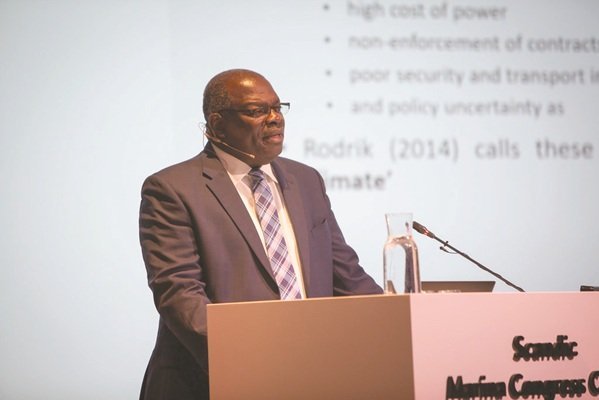
Speaking in Accra at an event called Achimota Speaks, Professor Aryeetey argued that the country's education policy needs a serious rethink so that the skills graduates leave school with actually line up with what the economy needs. The Ghanaian Times reported his remarks.
Access alone is not enough
His central point was a simple one. Expanding access to education is good, but if the economy is not creating jobs at the same pace, the result is more graduates chasing the same limited openings.
That mismatch, he said, is why many young people finish their studies and remain unemployed. Admitting more students into classrooms does not by itself create a single new job.
A national plan, and closer ties to industry
Professor Aryeetey called for a clear national plan to guide education policy, rather than decisions taken in isolation. He also pressed for stronger links between educational institutions and industry, so that what is taught in lecture halls and workshops reflects what employers are actually looking for.
The argument is familiar to anyone who has followed Ghana's debates on youth employment, but it carries weight coming from Professor Aryeetey, who led the country's largest public university and has spent his career studying African economies.
The setting
The event was held on the theme "The classroom and beyond: The Achimota experiment and the future of education." Achimota School, founded in the colonial era, is one of Ghana's best known second-cycle institutions and has long been treated as a reference point in arguments about what Ghanaian education should aim to produce.
Why this matters for Ghanaians abroad
For Ghanaians in the United States and elsewhere, the graduate unemployment question is not abstract. It is one of the main reasons young professionals leave, and it shapes the remittance pressure that families back home place on relatives overseas. A son or daughter who finishes university but cannot find work often becomes a dependant rather than a contributor to household income.
It also matters for anyone considering a return home. Whether Ghana's labour market can absorb skilled people depends on exactly the kind of education-to-industry alignment Professor Aryeetey is describing.
No specific policy proposal or timeline was attached to his call at the event, and it is not clear whether government officials were present or have responded.