A forecast of 7.4% depreciation next year matters for anyone sending money home, importing goods, or holding cedi savings.
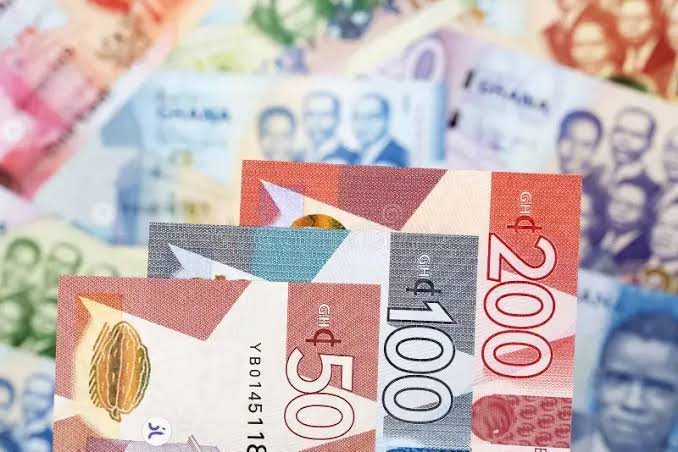
Ghana's cedi could end 2027 at around GH¢12.80 to the United States dollar, a depreciation of about 7.40%, as the country's foreign debt repayments climb and pressure on dollar supply builds.
The forecast comes from BMI, the research arm of ratings firm Fitch Solutions, and was reported by Norvan Reports.
Why the pressure is building
The core issue is timing. International Monetary Fund (IMF) figures show Ghana's external debt-servicing bill rising from US$4.70 billion in 2026 to roughly US$5.05 billion in 2027 — an increase of US$353 million, or 7.51%, in a single year. The bill is projected to rise again to about US$5.30 billion in 2028.
Those payments go to multilateral lenders, other governments and commercial creditors, and they must be made in foreign currency.
Government has reactivated a US Dollar Sinking Fund — a pot of money set aside in advance — which is expected to cover about US$1.20 billion of Eurobond repayments. That still leaves roughly US$3.90 billion to be found, according to Fitch's estimate. A sinking fund softens the timing shock but does not remove the underlying foreign exchange cost.
Government has also committed to avoid issuing new Eurobonds until 2030 and to cap external project-loan disbursements. Those decisions protect debt sustainability, but they also mean Ghana cannot simply borrow afresh abroad to cover maturing debts. Ghana's US$3 billion Extended Credit Facility programme with the IMF ended in July 2026.
The reserves trade-off
At the same time, the Bank of Ghana is building up reserves under the Ghana Accelerated National Reserve Accumulation Policy. Buying and holding dollars for reserves means fewer dollars released into the local market to smooth out exchange-rate swings. Fitch expects the authorities to be less willing to intervene in ordinary day-to-day fluctuations.
Stronger reserves improve Ghana's ability to absorb shocks and reassure investors. But doing it while dollar demand is high can itself push the cedi down.
Gold, fuel and bonds
Gold remains Ghana's biggest earner. Bank of Ghana data put gold exports at about US$20.92 billion in the first ten months of 2026. Fitch expects bullion prices to ease towards US$4,200 an ounce in 2027. Prices nearer US$5,000 would support the cedi; a sharper fall, or disruption to exports handled through the Ghana Gold Board, would hurt.
Fuel is the other side of the ledger. Ghana imports petroleum products, so any energy price spike — Fitch flags renewed US-Iran tensions as one trigger — raises the dollar bill and feeds into transport costs and inflation.
A domestic bond redemption planned for February 2027 could also release cedi liquidity. If holders convert part of it into dollars, demand rises, though Fitch notes this depends on investor behaviour.
Not a certainty
The GH¢12.80 figure is a forecast, not a verdict. In July 2026 the IMF upgraded Ghana's debt-distress risk rating to moderate. Tighter liquidity management, higher interest rates or stronger inflows could all limit depreciation.