The opposition party says it won’t block government’s plan for choosing local government chiefs, but doubts it changes much about presidential control.
The New Patriotic Party (NPP) says it will study the government's proposed changes to how Metropolitan, Municipal and District Chief Executives (MMDCEs) are chosen, and will back the plan if it genuinely strengthens local government.
MMDCEs are the political heads of Ghana's local assemblies — effectively the mayors and district chiefs who run day-to-day administration in the metropolitan, municipal and district areas. Under the current arrangement, they are appointed by the President in consultation with stakeholders, and then confirmed by assembly members.
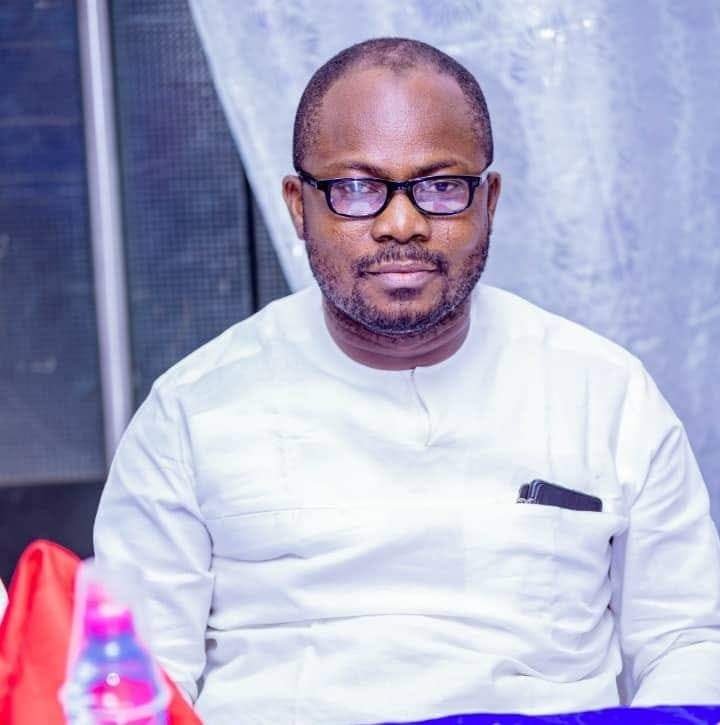
Speaking on JoyFM's Top Story on Wednesday, 9 September, the NPP's Deputy General Secretary, Haruna Mohammed, said his party would not try to frustrate the proposal.
"We don't have that mindset of sabotage, and we'll look at it with a critical eye," he said.
A jab at the NDC over 2019
Mr Mohammed used the interview to revisit former President Nana Akufo-Addo's push to amend the Constitution so that MMDCEs could be elected on a partisan basis — a proposal that collapsed.
He accused the National Democratic Congress (NDC), now in government, of deliberately killing that attempt in Parliament. He pointed to remarks he attributed to the current Education Minister, Haruna Iddrisu, saying the sabotage had been admitted openly.
"This was on tape," Mr Mohammed said.
He argued the NDC blocked the reform even though it knew decentralisation would have benefited.
His main criticism: the President still decides
Beyond the political history, Mr Mohammed questioned whether the new proposal changes anything of substance.
As he described it, the arrangement would see five candidates appointed first, then put through a public service interview before a final selection.
His point is that the appointing authority does not shift. "Who appoints them? It's the same President," he said. In his view, the only real change is the number of people who get to vote on the shortlist.
He also dismissed the interview stage as a procedural detail rather than a transfer of power, saying it only alters the manner in which candidates are screened.
Calls for a wider conversation
Mr Mohammed urged that the debate be kept out of the partisan trenches, and encouraged stakeholders — including organised labour — to keep contributing.
"The final consumer of the governance system is a citizen of Ghana," he said, arguing that ordinary people, not political parties, should be at the centre of any constitutional or political reform.
Why it matters
Who picks MMDCEs decides who controls local budgets, sanitation, market development and district-level contracts. For Ghanaians abroad who send money home or invest in property and small businesses in their home districts, the outcome affects how accountable those local officials are — to the President who appoints them, or to the communities they serve.
The NPP says its final position will depend on whether the reform delivers real benefits to citizens.
Reported first by MyJoyOnline on 2026-09-09. This article was written for our readers based on that report. Follow the link for the original coverage.