The One Ghana Movement convener argues that weekly earnings from illegal mining outstrip anything the formal job market offers in mining communities.
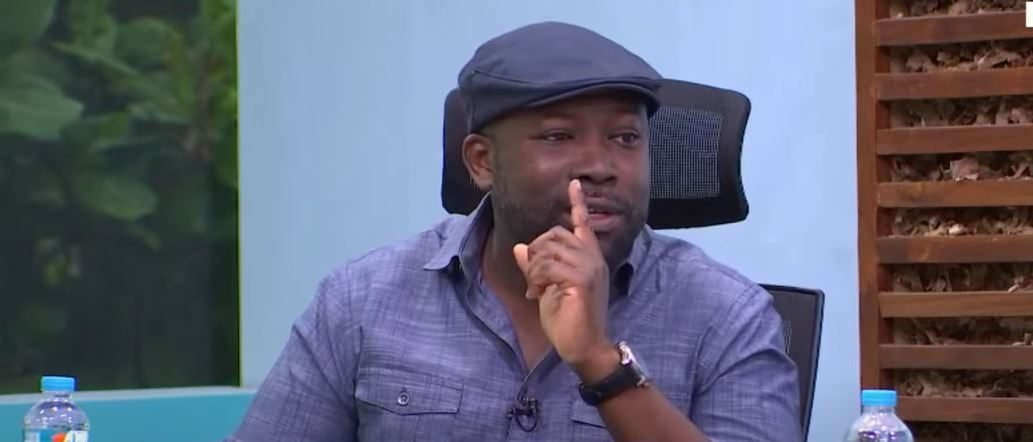
Ghana's fight against illegal mining will keep stalling as long as galamsey pays better than any lawful job available in mining communities, according to Senyo Hosi, convener of the One Ghana Movement, a civil society advocacy group.
In an article on the country's illegal mining crisis, reported by The Ghana Report, Mr Hosi argued that enforcement operations cannot succeed on their own. What is missing, he said, is a credible economic alternative for the people who depend on artisanal and small-scale mining to survive.
The money problem
Mr Hosi said some young people in mining areas earn between GH\u00a22,000 and GH\u00a210,000 in a single week from galamsey. For people with limited formal education, that is often far above what any available formal job would pay.
That gap, he argued, explains why task force operations keep producing short-lived results. "Where formal jobs are scarce, NAIMOS raids cannot outcompete galamsey earnings," he wrote.
NAIMOS is the National Anti-Illegal Mining Operations Secretariat, the state body set up to lead enforcement against galamsey, the local term for illegal small-scale mining.
Why communities stay quiet
Mr Hosi also addressed a pattern that frustrates enforcement teams: communities that shield miners rather than report them.
He said this is not because residents approve of the environmental damage, but because the money from mining flows through households, local shops and other businesses in the area.
"The silence is not consent. It is evidence of how tightly galamsey is bound to people's survival in these communities," he said.
A million people involved
To show the scale of the issue, Mr Hosi pointed to an estimate attributed to Germany's Ambassador to Ghana, Frederik Landsh\u00f6ft, that around one million people are engaged in artisanal and small-scale mining in the country.
If that figure is accurate, Mr Hosi said, then the galamsey conversation has to be about youth employment, household income and the economic stakes of mining districts \u2014 not only about arrests, seized excavators and polluted rivers.
He was careful not to dismiss enforcement altogether. He accepts that it is necessary. His point is that it will deliver limited results for as long as illegal mining offers much higher immediate returns than legal work.
Why it matters
For Ghanaians abroad who follow the galamsey story mainly through images of brown rivers and destroyed farmland, Mr Hosi's contribution shifts the frame. He is asking what happens to a million people, and the communities their income supports, if enforcement were to fully succeed tomorrow.
That question has no easy answer, and it has largely been absent from the national debate, which has focused on water bodies, cocoa farms and forest reserves.
Mr Hosi did not set out a specific alternative jobs programme in the article. His argument is that no anti-galamsey strategy can hold without one.