The Finance Minister used his 2027 Budget statement to restate how bad Ghana’s economy was at the end of 2022, and what it cost ordinary households.
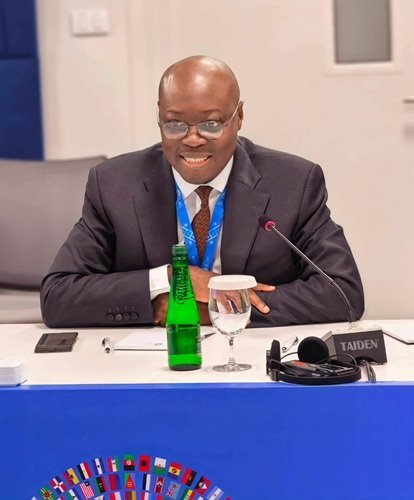
Finance Minister Dr Cassiel Ato Forson opened a familiar line of argument during his presentation of the 2027 Budget, taking Parliament back to the state of the economy at the close of 2022 under the previous New Patriotic Party (NPP) administration.
He described that period as an economic meltdown, and argued that the damage went well beyond the figures.
The numbers he cited
According to the Minister, inflation had climbed to 54.1 percent. The primary balance — the difference between what government earns and what it spends, before interest payments on debt — stood at a deficit of 4.3 percent of Gross Domestic Product (GDP), the total value of goods and services the country produces in a year.
He said a debt sustainability analysis by the International Monetary Fund (IMF) placed Ghana's public debt at more than 100 percent of GDP. Gross international reserves, the foreign currency the Bank of Ghana holds to pay for imports and defend the cedi, had dropped to less than three weeks of import cover.
For context, reserves at that level leave a country with very little room to absorb a shock in oil prices or food imports.
The part the figures do not show
Dr Forson told the House that the statistics only describe the scale of the collapse and do not capture its human cost. The Ghanaian Times reports that he said the crisis reached every household and every business in the country.
He listed the effects: food became too expensive, transport fares went up, the cost of medicine rose, pensions and savings lost value, and businesses folded under high interest rates and a fast-depreciating cedi.
"Families were forced to make impossible choices: postpone education, housing and healthcare," Dr Forson said.
He also pointed to the debt restructuring that followed, saying it imposed what he called painful and crude haircuts on households, pension funds, banks, businesses and investors. A haircut, in this context, means bondholders accepted less than the full value of what they were owed.
Why this matters for Ghanaians abroad
The 2022 crisis hit Ghanaians in the diaspora directly. A weaker cedi changed the value of remittances sent home, and the Domestic Debt Exchange Programme (DDEP) affected family members holding government bonds and pension savings in Ghana.
In a separate statement during the same budget presentation, Dr Forson said DDEP bondholders whose payments fall due on 16 February 2027 may collect their money now.
The 2027 Budget now goes before Parliament for debate and approval, where the NPP minority will have the opportunity to respond to the Minister's characterisation of its record in government.