The first issuance under a GH¢16.3 billion note programme will fund COCOBOD’s cocoa purchases, and bankers say it shows Ghana can finance more of its own growth.
Ghana raised GH¢3.395 billion from local investors in a single debt sale this week, and the country's top banking voice says that is the direction the economy should be heading.
The money came from the first commercial paper issued by Cocoa Capital PLC, which was listed on the Ghana Fixed Income Market in Accra. A commercial paper is a short-term debt note that a company sells to investors and repays with interest.
Demand was strong. Investors offered roughly GH¢3.59 billion, and the issuer accepted GH¢3.395 billion at an annual interest rate of 11 per cent. The sale is the Series 1, Tranche 1 issuance under a wider GH¢16.3 billion note programme.
The proceeds will go towards the Ghana Cocoa Board's (COCOBOD) purchases of cocoa beans for the 2026/27 crop season.
Why bankers are pushing domestic funding
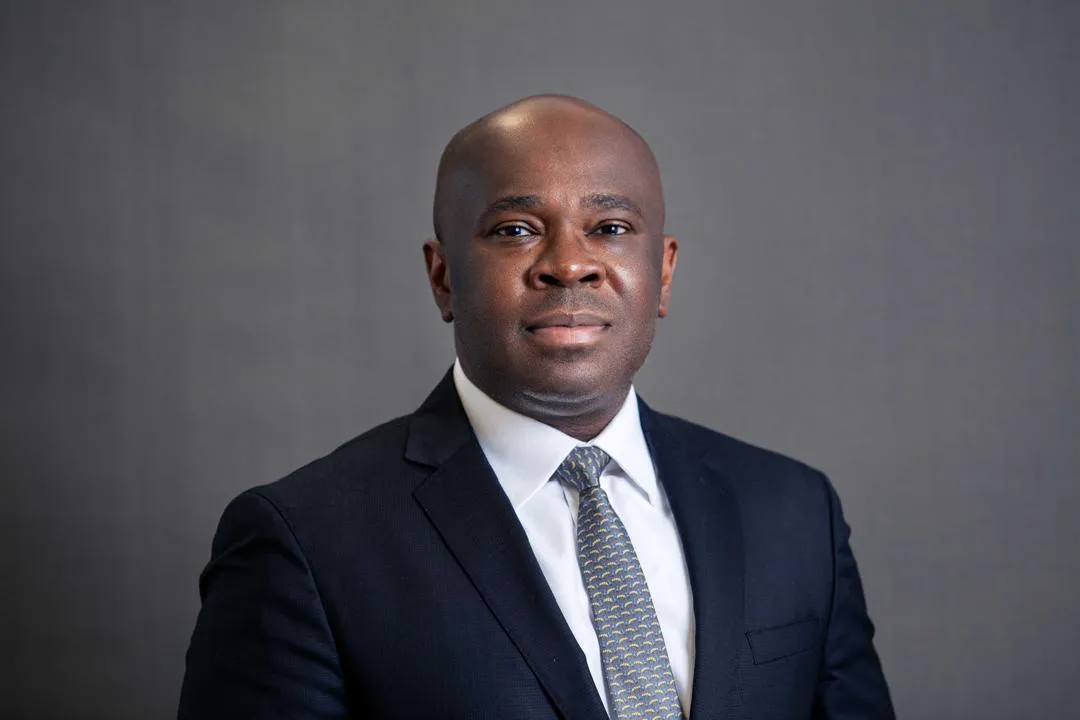
Kwamina Asomaning, Chief Executive of Stanbic Bank Ghana and President of the Ghana Association of Banks, used the listing to argue that Ghana needs to raise far more of its investment money at home.
He told the gathering, as reported by Ghanaian Times, that the state cannot carry the load alone. "Government cannot finance these requirements alone. Neither can traditional bank lending or external borrowing," he said, pointing to needs in agriculture, infrastructure, manufacturing, trade and technology.
His argument is partly about risk. Borrowing abroad exposes Ghana to currency swings and to the danger of not being able to refinance loans when global markets tighten. Money raised in cedis from Ghanaian savers does not carry those same pressures.
For Ghanaians abroad who follow the cedi closely, that is the key point: a deeper local market means less of the country's funding depends on foreign lenders and their conditions.
Mr Asomaning also said banks and the capital market should be seen as parts of one system rather than rivals competing for the same customers.
The conditions attached
He was careful not to present the deal as an automatic success. Investors will keep coming only if borrowers are open about their books and pay back on time.
"Capital follows confidence, and this confidence cannot be taken for granted," he said, adding that it must be earned through transparency, accountability and disciplined execution.
He welcomed the legislative backing announced by the Minister for Finance for reforms in the cocoa sector, but said the reforms must be carried through fully if investors are to have certainty.
On the cocoa side, he noted that financing that arrives on time helps move beans from farmers through licensed buyers to export markets, which supports farmer incomes and foreign exchange earnings.
GSE invites more issuers
Abena Amoah, Managing Director of the Ghana Stock Exchange (GSE), encouraged other Ghanaian companies and public institutions to raise money locally, listing equity, corporate bonds, commercial paper and sustainable finance instruments as available options.
She said Ghana's public capital markets have mobilised about GH¢6.8 billion for businesses and institutions since January 2025.