The 2027 Budget sets out state-owned thermal and solar plants, two million prepaid meters and a nuclear-readiness programme aimed at ending emergency power by 2030.
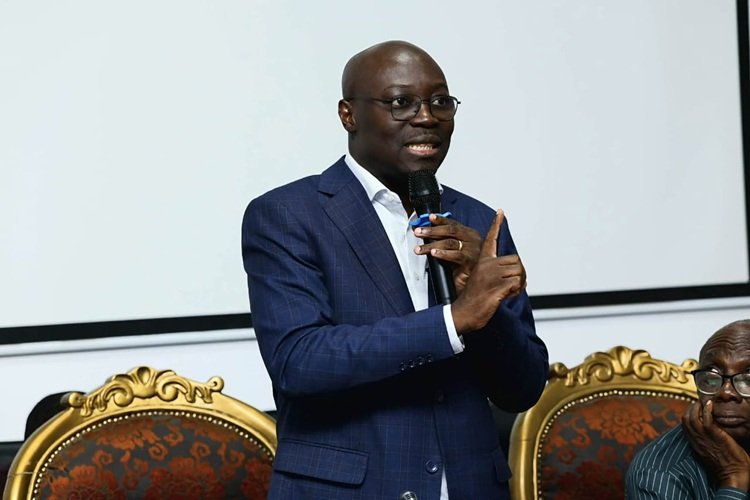
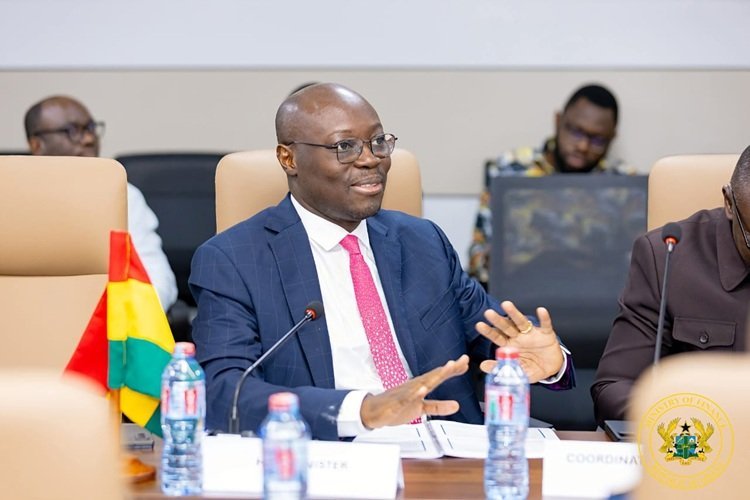
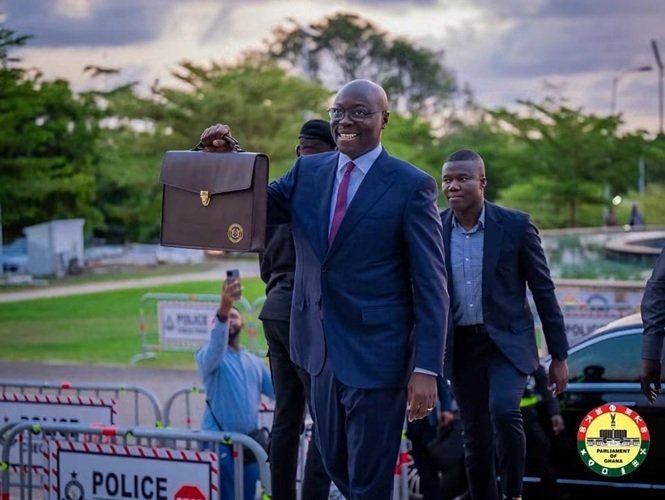
Finance Minister Dr Cassiel Ato Forson has announced a US$2 billion investment in energy infrastructure, presenting it as part of the third pillar of the government's New Economy Programme.
The announcement came during his presentation of the 2027 Budget, as reported by Ghanaian Times. The spending covers new generation capacity, transmission upgrades, metering and early preparation for nuclear power.
A 1,450 MW thermal plant in the Central Region
Construction of a 1,450 megawatt (MW) thermal power plant at Kafodzidzi-Abrobeano in the Central Region is due to start in December 2026.
Dr Forson said the plant will be fully funded and owned by the state. The first 600 MW is expected to be ready by December 2028, with the remaining 850 MW scheduled for December 2030.
Running the plant will require roughly 150 million standard cubic feet of additional gas each day, drawn from the Sankofa and Jubilee offshore fields.
Solar and battery storage
Alongside the thermal plant, government plans a 600 MW solar power plant, also fully state-owned, backed by 2,000 megawatt-hours (MWh) of battery storage. Battery storage allows solar electricity generated during the day to be released at night or when demand peaks.
According to the Minister, the two projects together should supply enough electricity for homes and industry to allow the country to phase out emergency power plants by 2030. Emergency plants are short-term generators brought in at high cost to cover shortfalls, and they have been a recurring expense in Ghana's power sector.
Grid upgrades and two million prepaid meters
Between 2027 and 2030, government will spend US$500 million to modernise the transmission system and roll out two million prepaid meters.
Dr Forson linked the meters directly to improving revenue collection. Weak collection and distribution losses have long been cited as a drain on the finances of Ghana's power utilities.
Preparing for nuclear power
The budget also sets aside US$200 million for a 24-month nuclear-readiness programme running from January 2027 to December 2028.
Dr Forson said more than 2,000 scientists will be trained under the programme to build local expertise in what he described as safe and reliable nuclear power. The announcement is about readiness rather than construction of a plant.
What it means
For households and businesses, the test will be whether the first 600 MW arrives on schedule in December 2028. For Ghanaians abroad who follow power cuts at home, the key signal is the 2030 target to end reliance on emergency generation.
The figures announced are budget commitments. Delivery will depend on financing, gas supply from Sankofa and Jubilee, and how quickly construction moves after the December 2026 start date.