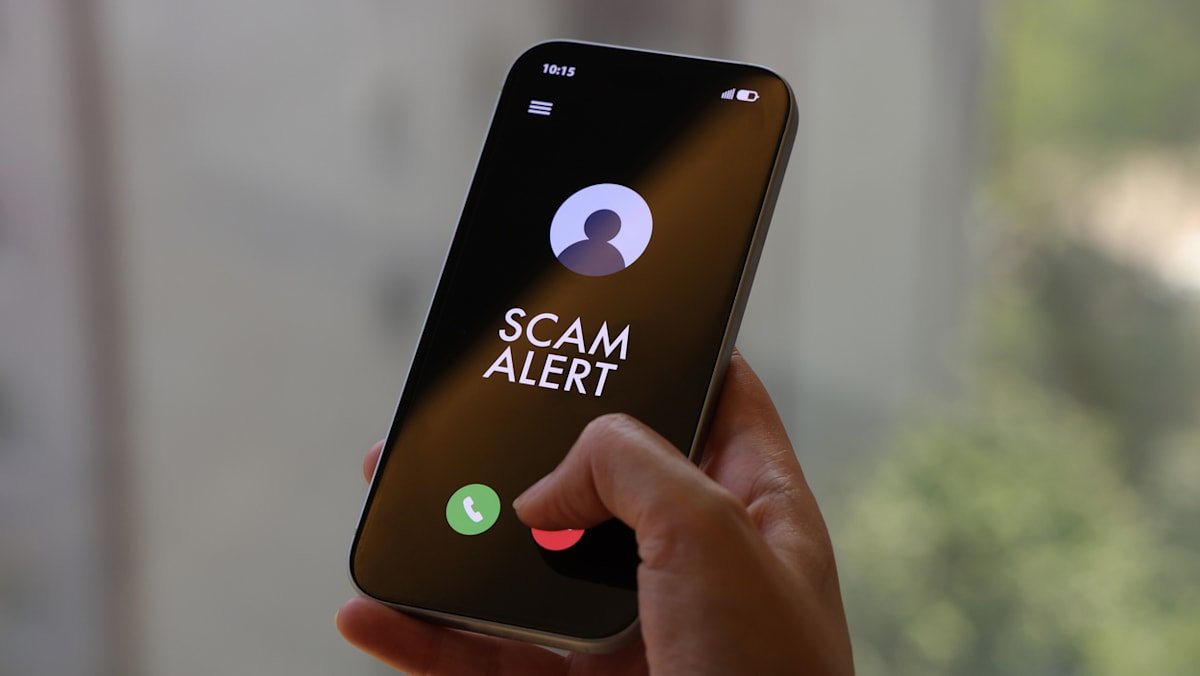
The impersonation racket, which has hit 119 victims since January, follows a script Ghanaians at home and abroad should recognise.
Police in Singapore have raised the alarm over a wave of phone scams in which fraudsters pose as staff of the electronics and furniture retailer Harvey Norman, tricking victims out of at least S$4.8 million, about US$3.8 million, since January.
In a statement issued on Monday, September 21, the police said at least 119 cases have been reported this year. The details were carried by Channel News Asia.
How the scam works
The fraud begins with an unexpected phone call. The caller claims to be from Harvey Norman and tells the person on the line that they have bought a television set, or that a delivery is waiting to be confirmed.
When the person insists they never made any such purchase, the caller changes tack. They say the person's personal details must have been stolen and used by someone else, and that the matter now needs to be investigated.
The call is then handed over to a second fraudster who claims to be an officer of the Monetary Authority of Singapore, the country's central bank and financial regulator. This second caller accuses the victim of being mixed up in crimes such as money laundering.
To clear their name, victims are told to move money into what the scammers describe as a "safe account". In some cases, according to the police, victims were instructed to withdraw cash, buy gold bars, or hand over jewellery and luxury watches to strangers so the items could be "investigated".
Each victim was promised that everything would be returned once the investigation ended. The refunds never came, and many only realised they had been robbed after several transfers.
What the police say
The Singapore police stressed that government officials in the country never ask members of the public to transfer or hand over cash or valuables, and never ask for banking login details.
Officials also do not ask people to install mobile apps from unverified app stores, and do not transfer calls to the police or to other government agencies.
Residents were advised to use ScamShield, a government-backed app that blocks scam calls and text messages, and to call the free 24-hour ScamShield helpline on 1799 if they are unsure about a call.
Why it matters for Ghanaians
The script in this case is not unique to Singapore. The pattern is familiar: an unexpected call about a purchase you never made, a fake investigation, a supposed official from a respected institution, and an urgent demand to move money or valuables to keep yourself out of trouble.
For Ghanaians in the United States and at home who send and receive money across borders, the same warning applies. No genuine bank, regulator or police service asks you to hand cash, gold or login details to a stranger to prove your innocence.