A 20,000-dose trial in Ituri province will test whether the only licensed Ebola vaccine works against a strain that has already killed thousands since May.
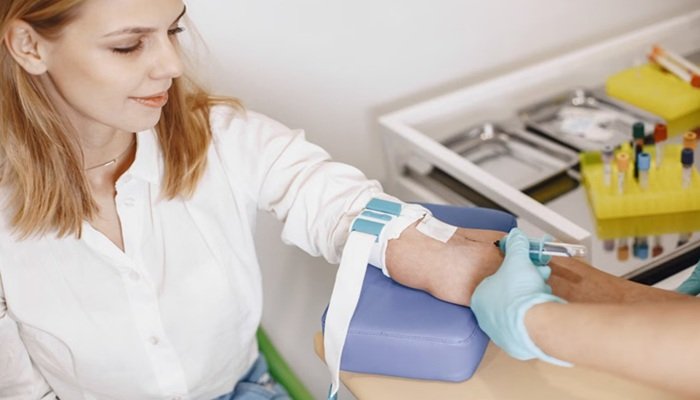
Health authorities in the Democratic Republic of Congo (DRC) have begun vaccinating people in Ituri province as part of a research trial aimed at finding out whether an existing Ebola vaccine can protect against the strain now spreading in the country.
UN News reports that the World Health Organization (WHO), the United Nations agency responsible for global public health, announced on Monday that 20,000 doses of the Ervebo vaccine have been set aside for the programme.
Why a trial and not a full rollout
Ervebo has a strong record against Ebola Zaire virus, which WHO describes as "highly effective". But the current outbreak in the DRC is caused by Ebola Bundibugyo virus, a different strain, and scientists do not yet know whether the vaccine offers what WHO called "meaningful protection" against it.
Ervebo is the only Ebola vaccine licensed for use in outbreaks caused by Bundibugyo virus. Earlier this month, the WHO-backed expert panel that advises on vaccines recommended that, for now, it should be used only for research.
The panel also insisted that people being vaccinated must be told clearly that the vaccine's effectiveness against this strain is unknown. Limited data and anecdotal accounts suggest it may give "some protection", according to WHO.
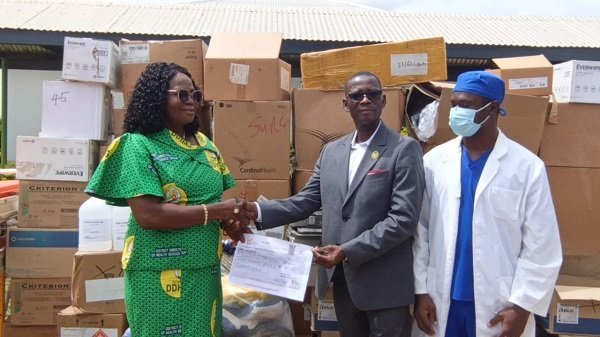
In total, 70,000 doses have been made available to Congolese authorities for both the outbreak response and the research work.
The scale of the outbreak
The outbreak was confirmed in May this year and has since reached seven provinces. Ituri, in eastern DRC, remains the epicentre, accounting for close to eight in every ten infections.
The latest health authority figures put the outbreak at more than 7,600 confirmed cases and over 3,670 deaths.
Responders are working in an extremely difficult environment. Eastern DRC has endured decades of armed conflict. In January 2025, the Rwanda-backed M23 militia took control of Goma, the capital of North Kivu province, and captured Bukavu, the South Kivu capital, weeks later.
What WHO is doing
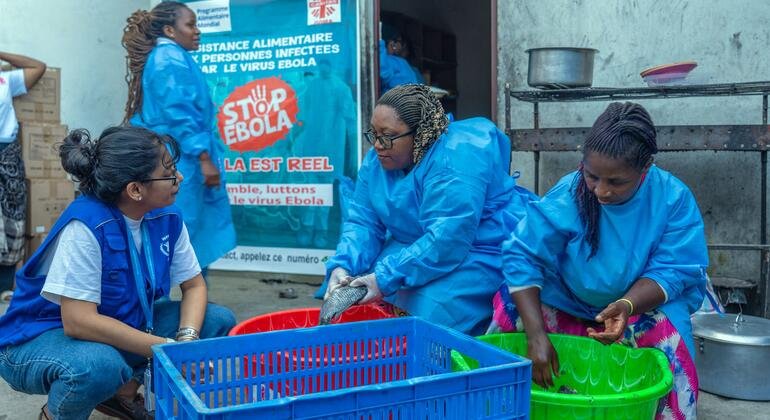
Beyond the vaccine trial, WHO says it is supporting the DRC government with disease surveillance, contact tracing, clinical preparedness, supply deliveries, community engagement and cross-border readiness.
"Community engagement will be key," the agency said, adding that outbreaks are only brought under control when communities take part in the response.
Why this matters for Ghanaian readers
Ebola spreads through direct contact with blood, secretions, organs or other body fluids of infected people, and through bedding or clothing soiled with those fluids. It first passes to humans from wild animals such as fruit bats, porcupines and non-human primates.
WHO puts the average case fatality rate at about 50 per cent, though past outbreaks have ranged from 25 to 90 per cent.
West Africa knows the risk well. The 2014\u20132016 outbreak, which began in Guinea and crossed into Sierra Leone and Liberia, was the largest since the virus was identified in 1976, with more cases and deaths than all previous outbreaks combined.