Brazil’s president used his UN General Assembly address to back Ghana’s push to move the world from acknowledging slavery’s harms to acting on them.
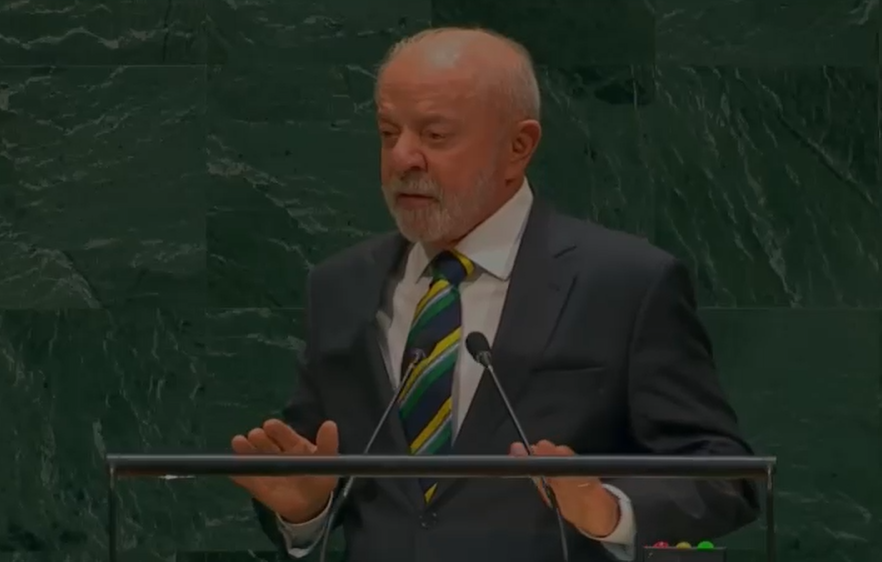
Brazilian President Luiz Inácio Lula da Silva has publicly praised President John Dramani Mahama and Ghanaians for pushing the issue of reparatory justice onto the global agenda.
Lula made the remarks in his address to the 81st session of the United Nations General Assembly (UNGA) in New York, the annual gathering where heads of state and government set out their positions on global issues. He singled out Ghana's work in getting the international community to acknowledge the historical injustices tied to the transatlantic slave trade, Adom Online reports.
Why Ghana is at the centre of this
The commendation follows the adoption by the United Nations of a resolution led by Ghana on reparatory justice. Reparatory justice refers to efforts to repair the lasting damage caused by slavery, colonialism and related injustices, whether through formal acknowledgement, policy change or material measures.
Mr Mahama has been working to build international backing for the cause, with the argument that the world should not stop at recognising what happened. His position is that recognition must be followed by concrete steps to address the consequences that are still felt today.
That framing has given Ghana visibility at this year's Assembly. Several references were made to the country's role in the reparatory justice conversation during the session.
Brazil's support carries weight in this discussion. Like Ghana, Brazil is deeply connected to the history of the transatlantic slave trade, and Lula is one of the most recognisable voices in the Global South.
Bilateral meetings on the sidelines
Away from the main speeches, President Mahama has been holding a run of bilateral meetings with other leaders on the margins of the Assembly. Bilateral meetings are closed-door, country-to-country talks that often produce the agreements that later shape trade, investment and migration policy.
The countries involved so far include Singapore, Saudi Arabia, Jordan, Kenya, Serbia, Mali, Switzerland, Costa Rica, Guinea and Germany.
The stated aim is to strengthen Ghana's relationships abroad, deepen cooperation and identify areas where both sides stand to gain. Some of the engagements are expected to lead to formal agreements and memoranda of understanding between Ghana and the countries concerned.
What it means for Ghanaians abroad
For Ghanaians in the United States and elsewhere in the diaspora, the reparatory justice push is closely tied to Ghana's long-running effort to position itself as a home base for people of African descent. International endorsements of the kind Lula offered help keep that agenda alive in multilateral forums.
The practical test will be whether the UN resolution and the bilateral talks produce measurable outcomes. For now, no timelines or specific commitments have been announced.