Drone strikes, blocked aid convoys and a communications blackout in Tigray have revived fears of a return to the conflict that killed and displaced huge numbers between 2020 and 2022.
The United Nations has raised the alarm over spreading fighting in northern Ethiopia, warning that the region risks sliding back into the kind of full-scale war it endured between 2020 and 2022.
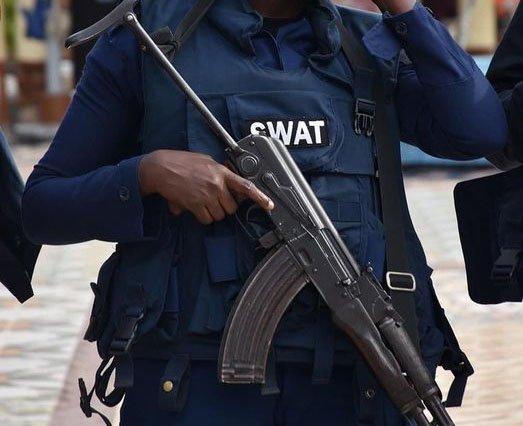
Speaking to journalists in New York, UN Spokesperson Stephane Dujarric said the organisation was "particularly troubled by reports of the use of drones as well as incidents of harm to civilians", as reported by UN News. He called on all sides to show maximum restraint and settle their differences through talks.
UN Secretary-General Antonio Guterres is tracking the situation and speaking with leaders currently in New York in an effort to cool tensions.
What is happening on the ground
Internet and telephone services have been largely cut across the Tigray region. That is more than an inconvenience: with cash hard to come by and bank ATMs out of reach for many, households depend on mobile money and digital banking to buy food and other basics. A blackout effectively freezes daily commerce.
The UN human rights chief, Volker Turk, said airstrikes were reported to have hit five schools in Tigray on 22 September, and that a mortar strike two days later killed civilians in Kobo, in the neighbouring Amhara region. He urged all parties to step back from a return to full-scale war.
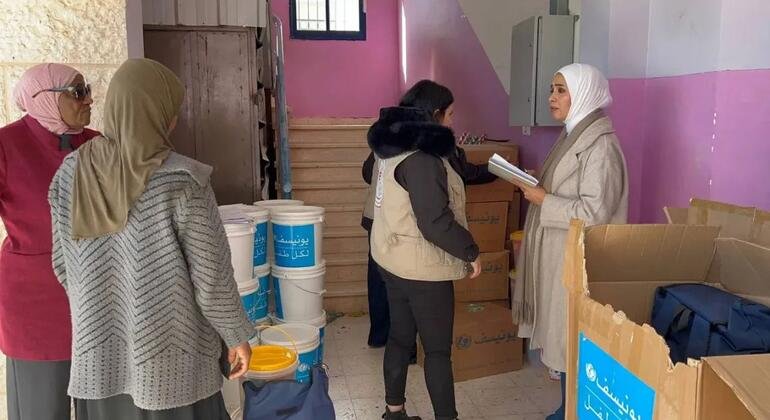
Aid operations under pressure
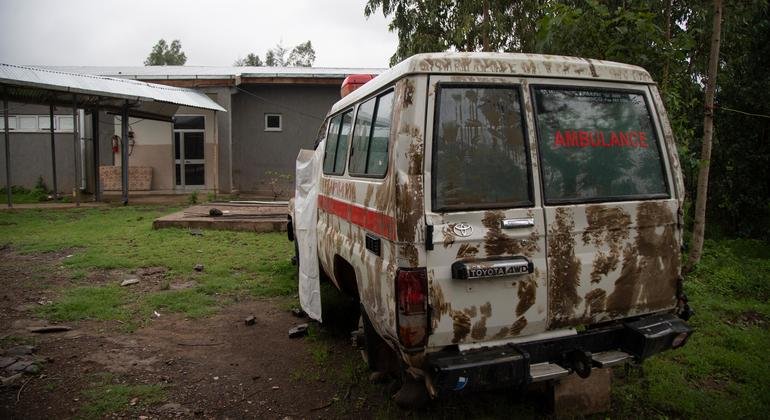
The fighting is already choking off relief work. On Sunday, a drone strike in north-western Tigray hit a truck carrying food meant for people displaced by earlier rounds of conflict.
Road closures have paused or rerouted planned humanitarian movements, Mr Dujarric said. In parts of Amhara, armed groups have seized humanitarian vehicles.
OCHA, the UN office that coordinates emergency aid, says the escalation adds to needs that were already heavy, in an area also getting below-average rainfall linked to the El Nino weather pattern. Aid agencies are still working in Tigray, Amhara and Afar where security allows, assessing what people need.
The UN insists that all sides must allow aid workers safe and unhindered passage.
Why the 2022 deal matters
The last war started in November 2020, when a political standoff between Ethiopia's federal government and the Tigray People's Liberation Front (TPLF), the region's former ruling party, turned into armed conflict. Eritrean troops fought alongside federal forces and the fighting spilled into nearby regions. The UN documented widespread atrocities and warned of famine-like conditions before the guns fell silent two years later.
A peace agreement mediated by the African Union (AU) was signed in November 2022. The UN welcomed it but has repeatedly flagged slow implementation as a danger, a warning that now looks well founded.
Guang Cong, the Secretary-General's Special Envoy for the Horn of Africa, is talking to national and regional players and working with the AU and IGAD, the regional bloc of East African states, to get dialogue under that 2022 accord moving again.