Three teacher unions are on indefinite strike, and opposition MPs say an unpaid allowance agreed in 2024 is one reason classrooms have gone quiet.
The Minority Caucus in Parliament wants the government to start paying, without further delay, the 20% Deprived Area Allowance due to teachers posted to remote and hard-to-reach communities.
The demand comes as three teacher unions sit on an indefinite strike that has disrupted learning in public schools.
What the allowance is
The allowance is not a new request. It is written into Section 17(2) of the 2024 Collective Agreement covering teaching staff of the Ghana Education Service (GES), the state body that runs pre-tertiary public education in Ghana.
A collective agreement is a negotiated contract between employer and unions setting out pay and conditions. Once signed, both sides are expected to keep to it.
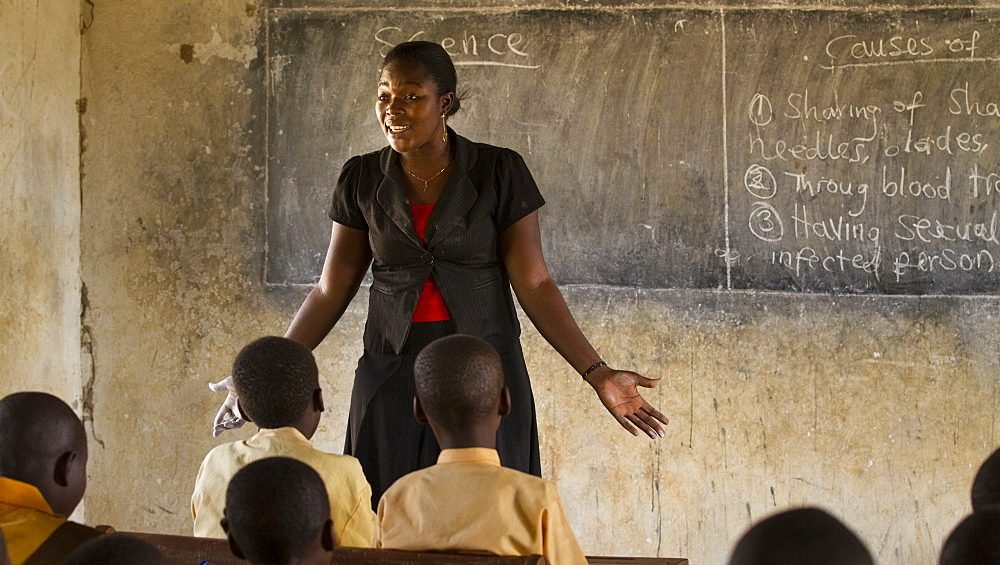
The 20% top-up is meant to make service in underserved districts more attractive, where teachers often work without steady electricity, housing or transport.
Who is speaking
The Minority's position was set out in a statement signed by Frank Asiedu Bekoe, Deputy Ranking Member of Parliament's Committee on Employment, Labour Relations and Pensions, as reported by The Ghana Report.
The caucus argues that the failure to pay the allowance is among the grievances that pushed the unions into industrial action.
The three unions involved are the Ghana National Association of Teachers (GNAT), the National Association of Graduate Teachers (NAGRAT) and the Pre-Tertiary Teachers Union (PRETAG). They have listed several unresolved complaints as the basis for the strike.
The agencies in the firing line
The Minority directed criticism at two institutions.
The first is the Fair Wages and Salaries Commission (FWSC), the state agency responsible for public sector pay policy and negotiations. The second is the Controller and Accountant-General's Department (CAGD), which processes government payroll and payments.
According to the caucus, these bodies have not carried through conditions of service that were already negotiated with the teacher unions.
Other demands
Beyond the deprived area allowance, the Minority asked the government to do two more things.
First, return to the negotiating table with the unions and conclude talks on a new collective agreement.
Second, place teachers who have been promoted on their correct new salary grades and settle all outstanding arrears going back to January 2026.
Why it matters
For families at home, the immediate concern is lost teaching time, and deprived districts usually feel that loss hardest because they have the fewest teachers to begin with.
For Ghanaians in the United States who support relatives in school back home, the dispute is a reminder that term disruptions often follow unresolved public sector pay issues.
The next step rests with the government. Until the FWSC, the CAGD and the unions agree on payment, the strike remains in force.