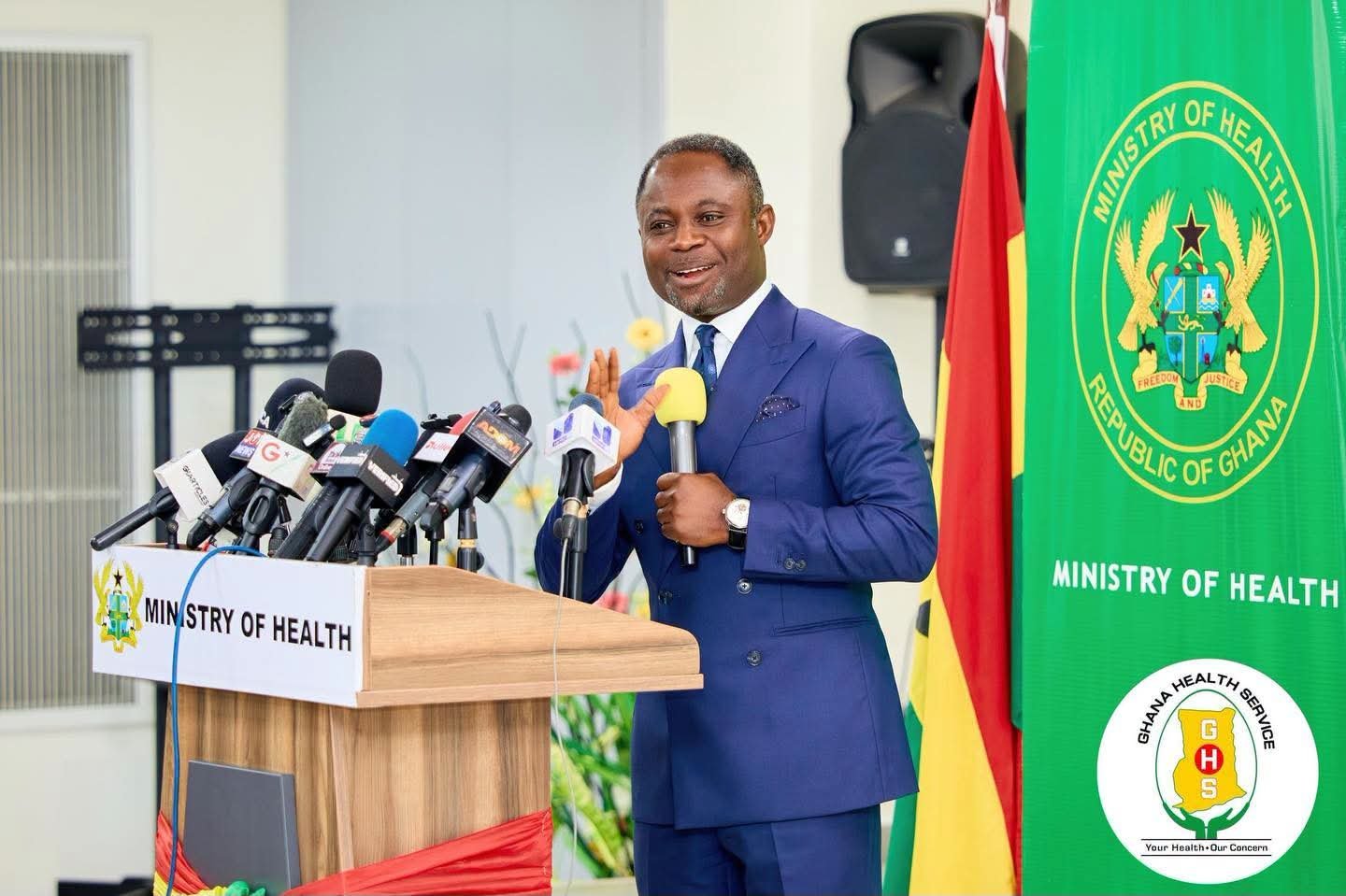
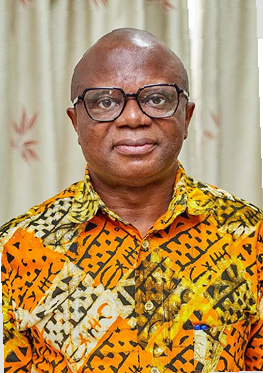
Professor Mawuli Dzodzomenyo says Ghana lacks early warning systems and clear response protocols for dangerously high temperatures.
Ghana should build a stronger system for tracking extreme heat and warning the public before temperatures become dangerous, an environmental health expert at the University of Ghana has said.
Professor Mawuli Dzodzomenyo made the call in comments reported by the Ghanaian Times, arguing that rising temperatures are already a public health issue and not only an environmental one.
What he said is missing
According to Professor Dzodzomenyo, Ghana has made progress on climate-related health threats in general. The weak point, he said, is heat surveillance — the routine monitoring of temperature levels and the health effects that follow.
He said the country also has limited response protocols. In plain terms, that means there is no clear, agreed set of steps for health authorities and other agencies to follow once heat reaches levels that put people at risk.
An early warning system of the kind he is calling for would alert the public and health facilities ahead of dangerous heat, giving time to prepare rather than react after people fall ill.
The health effects he listed
Professor Dzodzomenyo pointed to several conditions linked to excessive heat:
- Heatstroke
- Heat exhaustion
- Severe dehydration
- Kidney-related conditions
- Increased cardiovascular (heart and blood vessel) and respiratory (breathing) problems
These are the kinds of conditions that tend to hit hardest among what he described as vulnerable people — a group that in public health usage typically includes the elderly, young children, pregnant women, people with existing illnesses and those who work long hours outdoors.
"Climate change is real and our health is threatened," he said, adding that although Ghana is "on the right trajectory" in dealing with climate change, more must be done to protect those most at risk.
Why it matters
Heat is one of the less visible climate risks. Floods and failed harvests make headlines; heat-related illness often does not get counted at all, especially where there is no surveillance system to record it. That is part of the expert's point — without data, it is difficult to know the true scale of the problem or to justify spending on a response.
For Ghanaians in the United States following developments at home, the call is a reminder that climate adaptation is not only about infrastructure and farming. It also reaches into clinics, workplaces and the daily routines of relatives who work outside in the sun.
Professor Dzodzomenyo did not name a specific agency or timeline for setting up the surveillance and warning systems he recommended. No government response to his call has been reported.