Government plans to replace the Fair Wages and Salaries Commission with a new body that harmonises pay across the public service, with a bill due in Parliament in October 2026.
Ghana is preparing to overhaul the way public sector workers are paid, and the head of the body currently in charge of that system says state-owned companies must be part of the change.
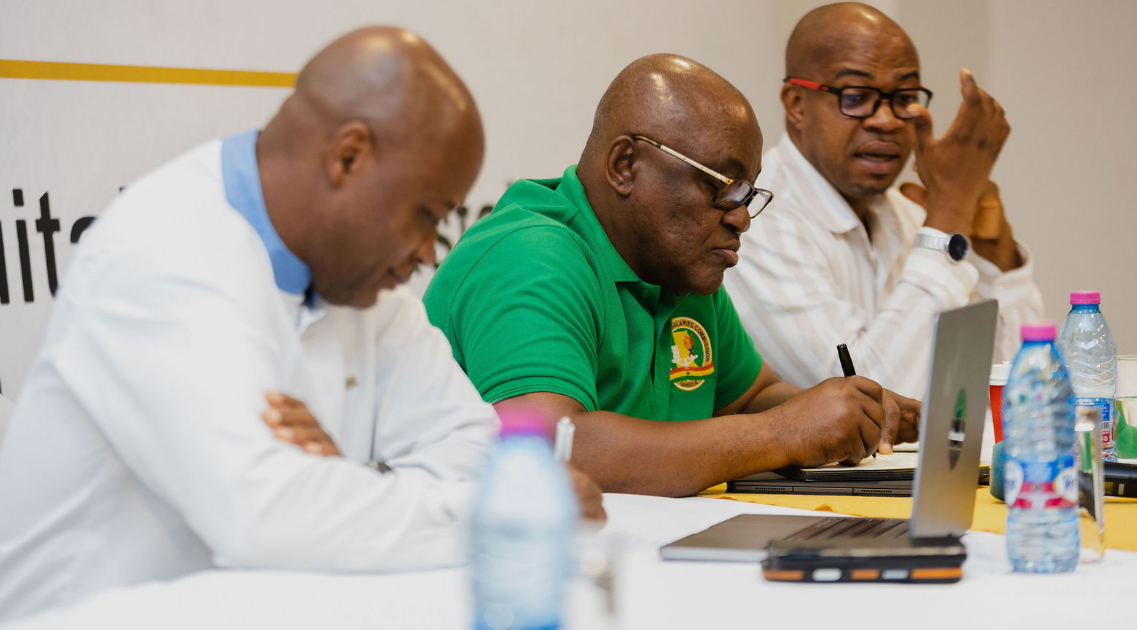
Dr. George Smith-Graham, Chief Executive of the Fair Wages and Salaries Commission (FWSC), told chief executives of State-Owned Enterprises (SOEs) at a meeting in Accra that the planned Independent Public Emoluments Commission (IPEC) is meant to correct long-standing problems in public pay.
"For too long, our public sector pay system has been fragmented, inequitable and fiscally unsustainable," he said, adding that IPEC is being set up to fix that.
What is changing
The FWSC was created to set and manage pay levels across Ghana's public service. Under the reform, it is to be transformed into IPEC, which Dr. Smith-Graham described as more than a renaming exercise. He called it a rebuild of the country's public sector remuneration structure.
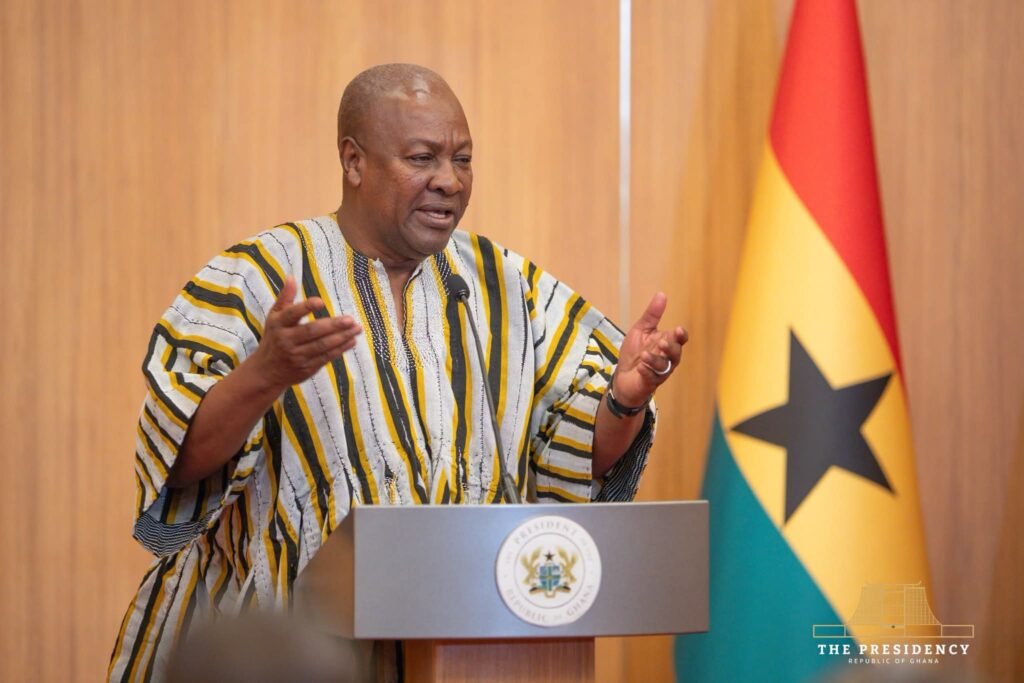
According to MyJoyOnline, he said the reform is a presidential priority announced by President John Dramani Mahama, and that it will introduce what he called a National Public Sector Emoluments Management System
tied to transparency and productivity.
The new commission, he said, would:
- ensure equal pay for work of equal value;
- harmonise compensation across the whole public service, including SOEs;
- link what workers earn to productivity and performance.
Why state-owned firms matter
Dr. Smith-Graham singled out SOEs as a key part of the problem to be solved. He said wide pay gaps, overlapping negotiations and fiscal pressure on the public purse frequently originate from that sector.
He asked the executives in the room to speak frankly during the consultations so the final system reflects real conditions in their organisations rather than assumptions made from outside.
The one-day engagement was held under the theme "Towards an Independent, Equitable & Sustainable Compensation System: Stakeholder's Perspectives on Ghana's Public Sector Pay Reforms." It drew chief executives and their deputies, human resource directors and finance directors from SOEs, along with development partners and journalists.
What happens next
The Accra meeting is one of a series of consultations being held across the country. The FWSC says the IPEC Bill is expected to be laid before Parliament in October 2026.
Until Parliament debates and passes the bill, the FWSC remains the body responsible for public sector pay.
For Ghanaians abroad, the reform is worth watching because public sector wages are one of the largest items in the national budget. How government controls that bill affects borrowing, spending on services and the broader economic picture many families follow from overseas.