The government’s chief communicator responded to growing unease over arrests tied to social media posts, saying criticism is protected but criminal conduct is not.
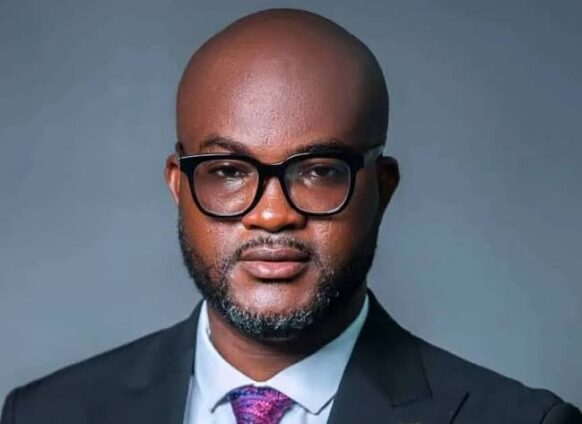
Minister for Government Communications Felix Kwakye Ofosu has rejected suggestions that the government is tightening the space for free expression in Ghana, saying the administration of President John Dramani Mahama has no plan to silence critics.
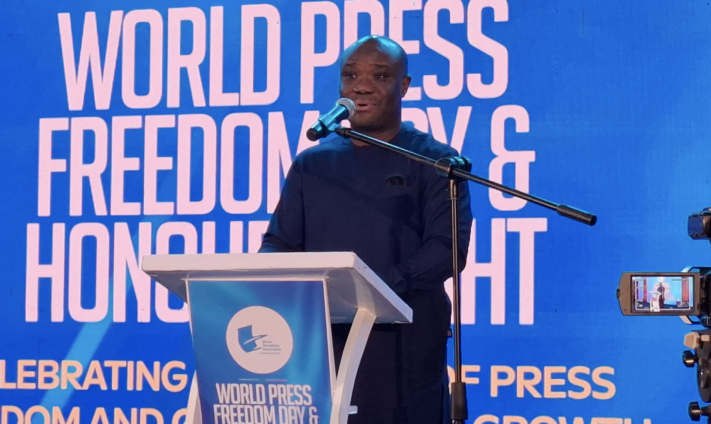
He was speaking at the launch of the 30th GJA Media Awards, the annual awards scheme run by the Ghana Journalists Association, the main professional body for journalists in the country. MyJoyOnline reported his remarks.
What he said
Mr Kwakye Ofosu drew a line between criticism of government, which he said is protected, and online behaviour that he argued amounts to a crime.
"Under no circumstances will the government of President John Dramani Mahama curb free speech," he said, adding that a "clear distinction must be struck between free speech and criminal conduct."
He said some people had used social media platforms to push hate speech and commentary that could inflame existing conflicts in parts of the country. On that point he warned about the wider African experience.
"Africa is littered with examples of how speech like that led to serious genocide and conflict," he said, arguing that it would be a failure of duty for the police and other agencies to look on without acting.
According to the minister, law enforcement agencies have used available technology to trace and deal with such posts. He insisted those actions should not be read as a crackdown on ordinary expression or on journalism.
The background
His comments land at a time when questions are being asked about the state of democratic freedoms in Ghana. One case that has attracted particular attention is the arrest of a nurse, Salomey Baffoe Awiti, in Techiman in the Bono East Region.
The source report does not set out the details of the charges in that case, and NewsPulse GH has not independently confirmed them.
Why it matters
Freedom of expression and media freedom are protected under Ghana's 1992 Constitution, and Ghana has long traded on its reputation as one of West Africa's more open media environments. That reputation is part of how the country is read by investors, diplomats and the Ghanaian diaspora.
For Ghanaians in the United States and elsewhere abroad, much of the daily argument about home now happens on social media platforms such as Facebook, X and TikTok. Where the state draws the line between a sharp political post and a prosecutable offence is therefore not an abstract question for them either.
The minister did not announce any new law, policy or regulation. His statement was a defence of how existing enforcement powers are being used.
What to watch next is whether the GJA and civil society groups that monitor press freedom respond to the assurance, and how the Techiman case proceeds.