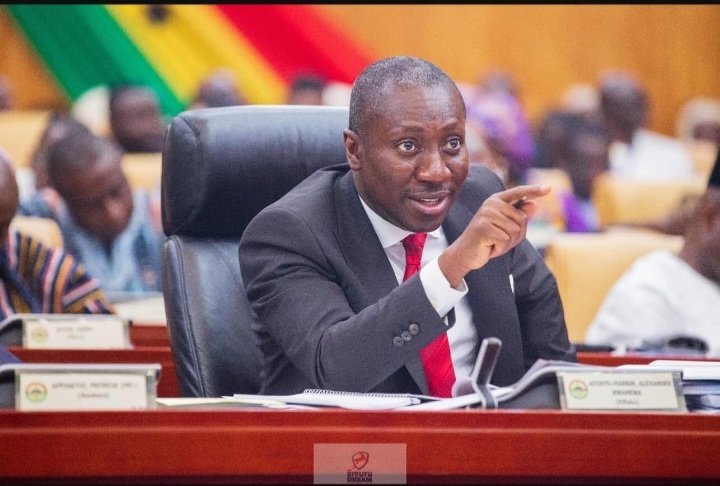
At COP31 in Turkiye, Environment Minister Zanetor Agyeman-Rawlings argued that Africa should set the terms for trading the minerals the world needs for clean energy.
Ghana's Minister for Environment, Science and Technology (MEST), Dr. Zanetor Agyeman-Rawlings, says African countries should agree on a single negotiating position on how the continent's critical minerals are traded and developed, rather than bargaining separately with buyers abroad.
She made the call at the Africa Day Ministerial segment of the 31st United Nations Climate Change Conference (COP31), the annual global climate talks, being held in Antalya, Turkiye. The report was carried by Daily Guide Network.
Why the minerals matter
Critical minerals are the raw materials used to build the hardware of the clean energy economy: batteries, electric vehicles, wind turbines and solar panels. According to the minister, Africa holds roughly 30 percent of the world's reserves of these minerals, including a large share of global cobalt and platinum group metals.
Her argument was blunt: there is no global green transition without Africa, because the world's net-zero targets depend on what is in African soil.
But she said the continent has not been getting a fair return. Mining has left behind deforestation, polluted rivers and damaged land, and the communities living with those effects have not seen enough benefit from the energy transition driving the demand.
Her proposed fix is value addition at home through regional value chains, meaning minerals are processed and refined on the continent instead of being shipped out raw.
What Ghana is asking for
Dr. Agyeman-Rawlings set out several demands on behalf of Ghana at the talks:
- Delivery of the pledge to triple adaptation finance by 2035, with the money coming as grants rather than loans, and directed at water security, forest protection and resilient landscapes.
- Dedicated funding to restore rivers, forests and lands already degraded by mining.
- Multi-hazard early warning systems, backed by financing so communities can act before a disaster hits, not after.
On early warning, she stressed that alerts only save lives if the money and the response reach vulnerable communities in time.
She also linked climate change directly to water, noting that African communities feel the crisis through floods, droughts, drying rivers and polluted water. For Ghanaian readers, that framing will sound familiar given the long-running damage to water bodies from illegal mining.
The bigger message
The minister said countries and industries that have historically profited from extracting Africa's natural resources carry a responsibility to help pay for environmental restoration and climate resilience on the continent.
"Africa needs the world to honour its obligations to ours," she said, adding that she hoped the discussions would become a turning point in Africa's push for a stronger voice in global green mineral negotiations.
No timeline was given for when African governments might formally adopt the common position she is proposing.