The Finance Minister says commercial agriculture will anchor jobs and food security, with a $1 billion Pwalugu dam, rice hubs and a push to end raw cocoa exports by 2030.
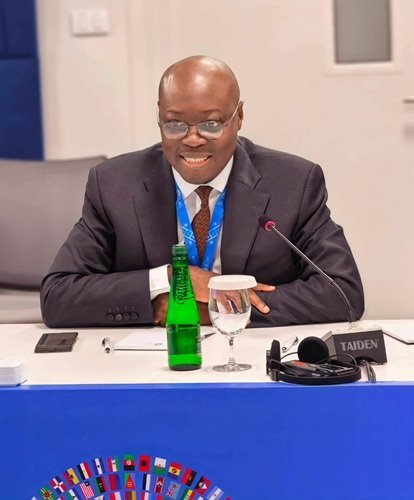
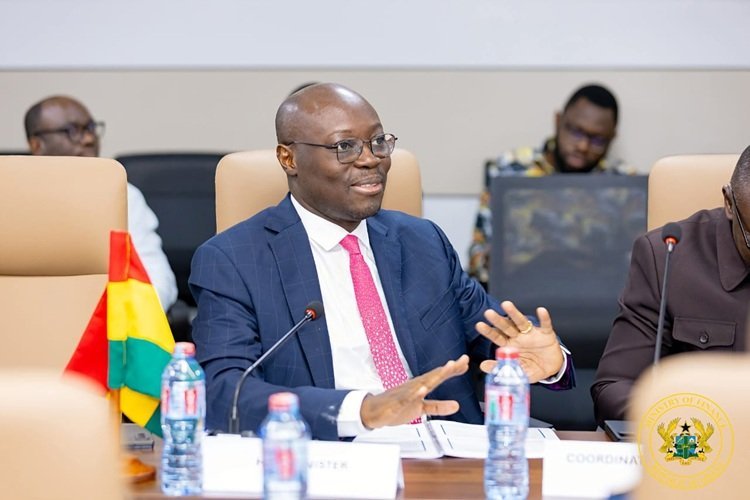
Government is committing US$3 billion to commercial agriculture, Finance Minister Dr Cassiel Ato Forson announced while presenting the 2027 Budget.
The spending falls under Pillar Two of the New Economy Programme, the administration's economic framework. Dr Forson told Parliament that farming would be treated as a main source of jobs, food security and raw materials for industry rather than a social safety net.
Pwalugu dam takes a third of the money
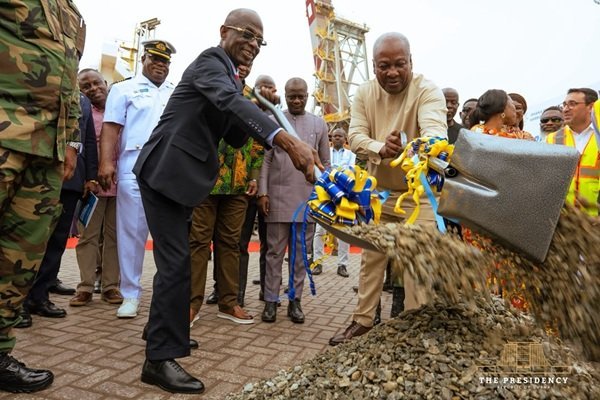
The single biggest item is the Pwalugu Multipurpose Dam in the north, budgeted at US$1 billion.
As reported by Ghanaian Times, the dam is designed to irrigate 25,000 hectares of farmland, host 1,000 fish cages in its reservoir, support vegetable farming all year round, protect communities downstream from flooding and generate 70 megawatts of hydropower.
The first phase is scheduled for completion by early 2029, with the full project finished in 2030. Government also plans to build a vegetable industry around the dam.
Rice, and a change to procurement law
Eight integrated agricultural industries are planned, alongside Rice Development Hubs in the Afram Plains, the Volta Basin, Western Ghana and Northern Ghana. Each hub is to come with irrigation, mechanisation, silos, modern mills, packaging and logistics.
Another 100,000 hectares will be put under rice, targeting yields of five to six metric tonnes per hectare and about 125,000 jobs.
To guarantee a market, Dr Forson said public procurement laws will be amended so that state institutions spending public money buy only Ghana-grown rice and other staples.
Sugar, poultry and fish
Government is targeting self-sufficiency in sugar by 2030 using locally grown sugarcane, irrigated production zones, nucleus estates and organised out-growers feeding commercial mills. Import permits and quotas will be introduced to limit sugar imports as local output rises.
On poultry, the plan covers the whole chain: breeder farms and hatcheries, day-old chicks, feed, vaccines and veterinary laboratories, modern poultry houses, processing plants, cold storage and retail. Commercial maize and soya bean production will be expanded to bring down feed costs, which Dr Forson said make up 60 to 70 per cent of poultry production costs.
Ghana's fish supply gap is put at 500,000 metric tonnes a year. Aquaculture will be the main source of new supply, with support for farmers in the form of broodstock and fingerlings, feed, cages, ponds and tanks, plus disease surveillance and water-quality systems.
Oil palm and cocoa
Some 100,000 hectares of new oil palm plantations are planned across the Western, Central, Eastern, Volta and Ashanti regions, with land acquisition already under way. A US$500 million World Bank financing arrangement has been secured and will go before Parliament. Government expects more than 250,000 jobs and export capacity by 2032.
On cocoa, Dr Forson said at least half of Ghana's beans will be processed locally by 2028, rising to 100 per cent by 2030, ending raw cocoa exports. Processing will go beyond grinding into liquor, butter, cake, powder, chocolate and cosmetics.