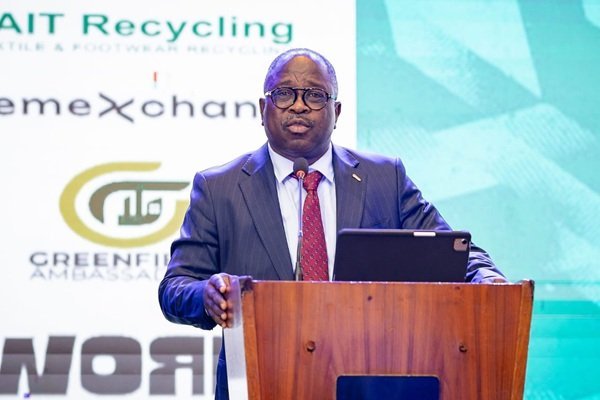
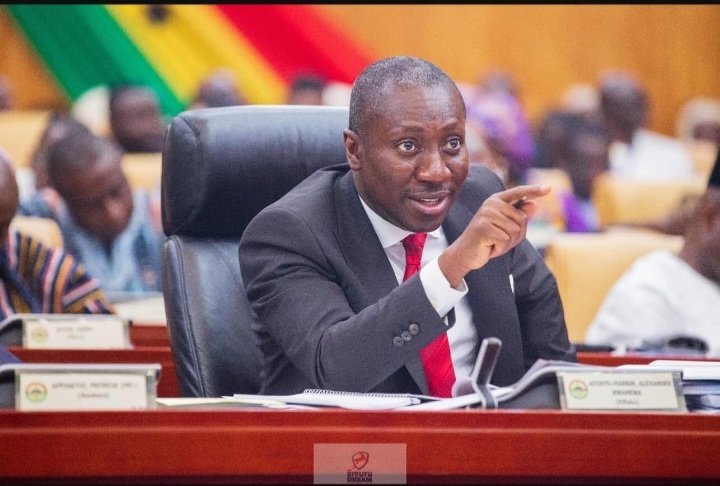
Alexander Afenyo-Markin argues that the government’s "New Economy" agenda offers slogans rather than jobs, lower prices and higher incomes.
The Minority in Parliament has rejected the 2027 Budget Statement and Economic Policy, saying it recycles pledges already made in earlier budgets without changing conditions for ordinary Ghanaians.
Minority Leader Alexander Afenyo-Markin gave the reaction after the Finance Minister presented the government's "New Economy" agenda to the House. According to the Ghanaian Times, he argued that much of what was read out had already appeared in the 2025 and 2026 budget statements.
The Minority's core argument
Afenyo-Markin's case is not that the government's economic numbers are false. It is that the numbers have not reached people's pockets.
He said government claims of falling inflation, a stable exchange rate and improved fiscal performance have not produced visible improvements in the daily lives of Ghanaians.
For him, the real test of the 2027 Budget is whether the stability the government talks about can be converted into productive investment, businesses that expand, real incomes that rise and jobs that last. Slogans, he said, are not the measure.
What the budget promises
The budget is built around a "New Economy" plan valued at 10 billion dollars, with GH¢30 billion allocated for the 2027 financial year. The plan targets economic growth of 8 percent and aims to push unemployment below 8 percent.
Those are ambitious markers, and they are precisely the ones the Minority says it will be watching. A growth target and a jobs target are easy to announce in November and hard to defend twelve months later, which is the point Afenyo-Markin is pressing.
Why this matters
For households in Ghana, the argument between the two sides comes down to a familiar question: does macroeconomic stability show up at the market, at the filling station and on the payslip? Inflation figures and exchange-rate charts matter to investors and lenders, but families judge a budget by prices and by whether young people can find work.
For Ghanaians in the United States and elsewhere abroad, the exchange-rate and inflation claims carry a different weight. A steadier cedi changes the value of remittances sent home, and the investment climate shapes decisions about property, small businesses and savings in Ghana.
What happens next
Budget presentations in Ghana are followed by several days of debate in Parliament, during which both sides set out their positions in detail before the House approves the financial statement and the accompanying appropriation. The Minority's formal response is expected to expand on the points Afenyo-Markin raised.
The government, for its part, will be under pressure to explain how the GH¢30 billion earmarked for 2027 will be spent, and how the New Economy plan converts into the jobs and income gains the Minority says have been promised before.