Apple’s new line-up includes a $1,999-plus foldable, but the practical case for upgrading is narrower than launch-week excitement suggests.
Apple has held its main hardware event for the year, showing off three phones: the iPhone 18 Pro, the iPhone 18 Pro Max, and the company's first folding handset, the iPhone Duo.
Reaction online split almost immediately between people calling the launch a breakthrough and people calling it another routine annual update. For buyers in Accra, Kumasi or the diaspora deciding whether to spend, the more useful question is simpler: does any of this fix a problem you actually have?
What is new
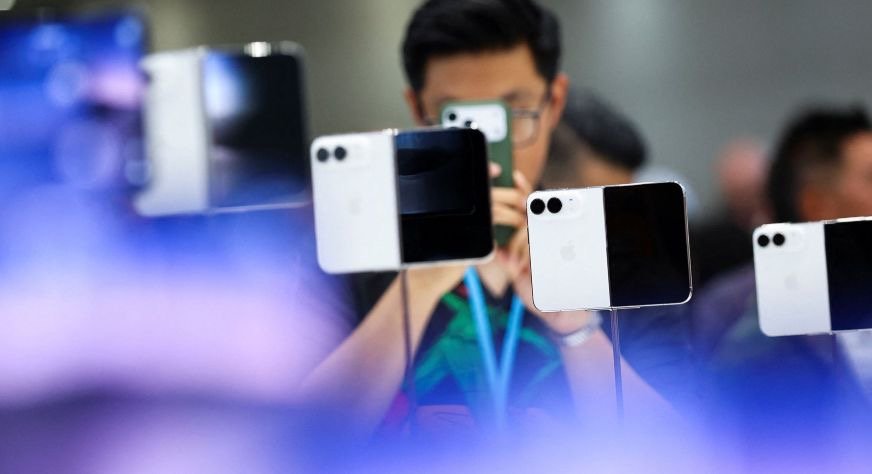
The iPhone Duo is Apple's entry into folding phones, a category Samsung and Huawei have been refining for years. Apple did not get there first. It waited, then arrived with a device built to sit neatly inside its own ecosystem of apps, watches and services.
On the numbers, though, rivals hold their own. The Duo weighs 254 grams against 229 grams for Huawei's Pura X. It is eSIM only, meaning there is no physical SIM tray, while the Pura X still takes a physical SIM. It allows only two apps side by side, where the Huawei device handles more. Pricing starts above $1,999, well ahead of both the Pura X and Samsung's Z Fold 8.
Where Apple leads is pixel density, and the tight fit between its hardware and software.
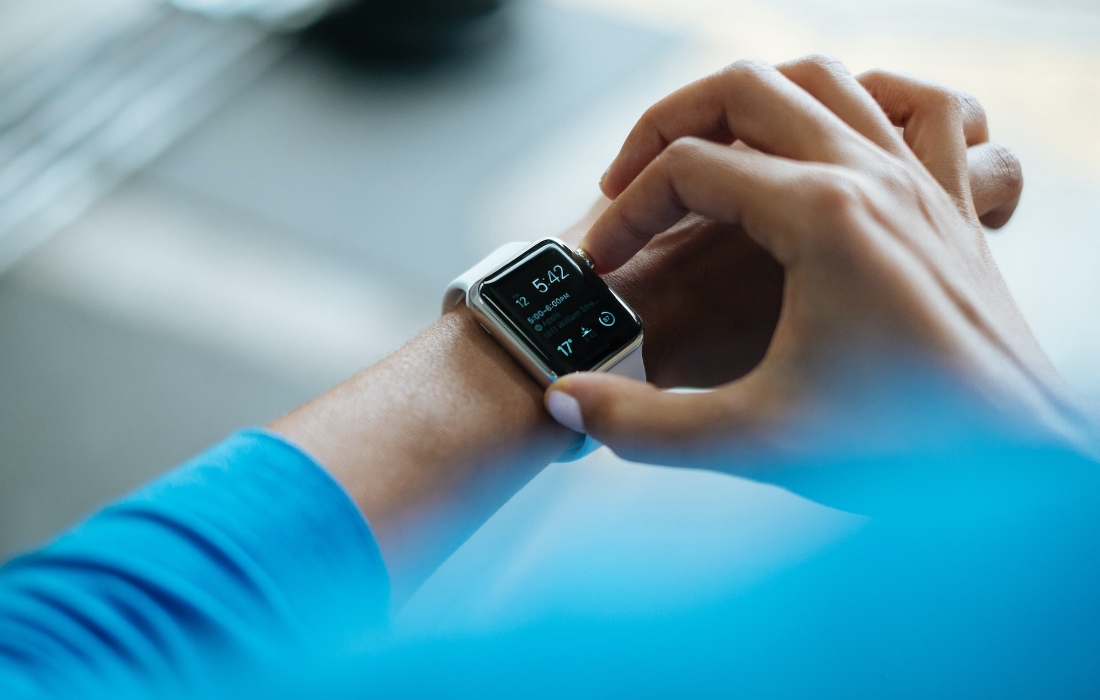
The iPhone 18 Pro and Pro Max carry smaller changes: a mechanical aperture control on the camera, a faster A20 chip, and better battery life rated at 35 hours on the Pro and 45 hours on the Pro Max. Apple Watch models get more detailed health sensors.
When an upgrade actually makes sense
The case for replacing a phone rests on wear, not on a launch date. Clear signals include a handset that has visibly slowed, a battery that cannot last a day without a power bank, a charging port or SIM setup that no longer matches what everyone else uses, repair bills approaching the cost of a new device, and a phone that has stopped receiving security updates.
That last point matters for anyone using mobile money or banking apps on an older device.
The aperture control is a good test. It is genuinely useful if you shoot photos seriously. If you do not, you will never notice it.
There is also a gap worth watching between announcement and delivery. Apple has promised on-device private artificial intelligence, meaning AI that runs on the phone itself rather than in the cloud, across several product cycles without it changing much in daily use.
For content creators and small businesses, the harder truth is that skill, not specification, separates two people holding the same phone. Upgrading pays off once the current device is genuinely the bottleneck. Before then, it is mostly an expense.
Reported first by MyJoyOnline on 2026-09-17. This article was written for our readers based on that report. Follow the link for the original coverage.