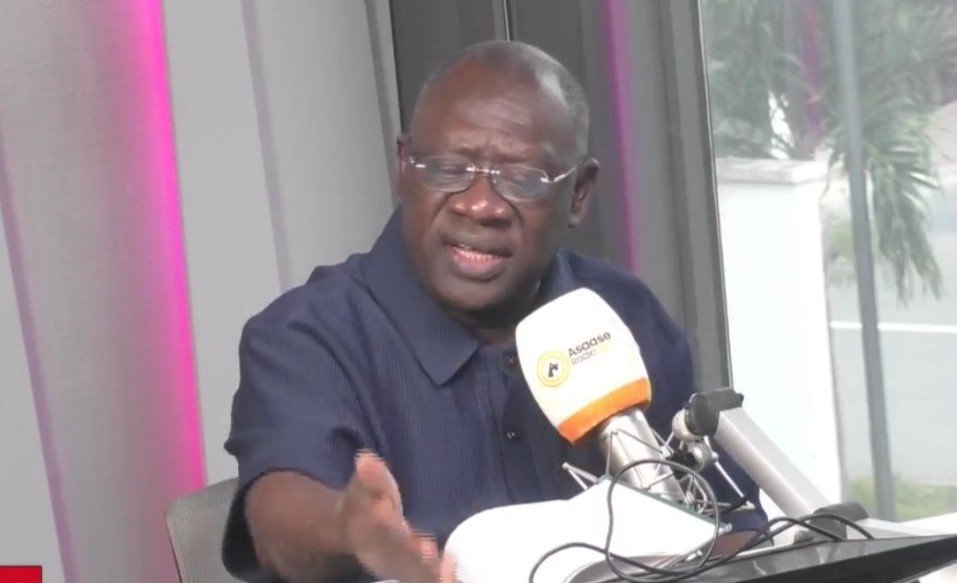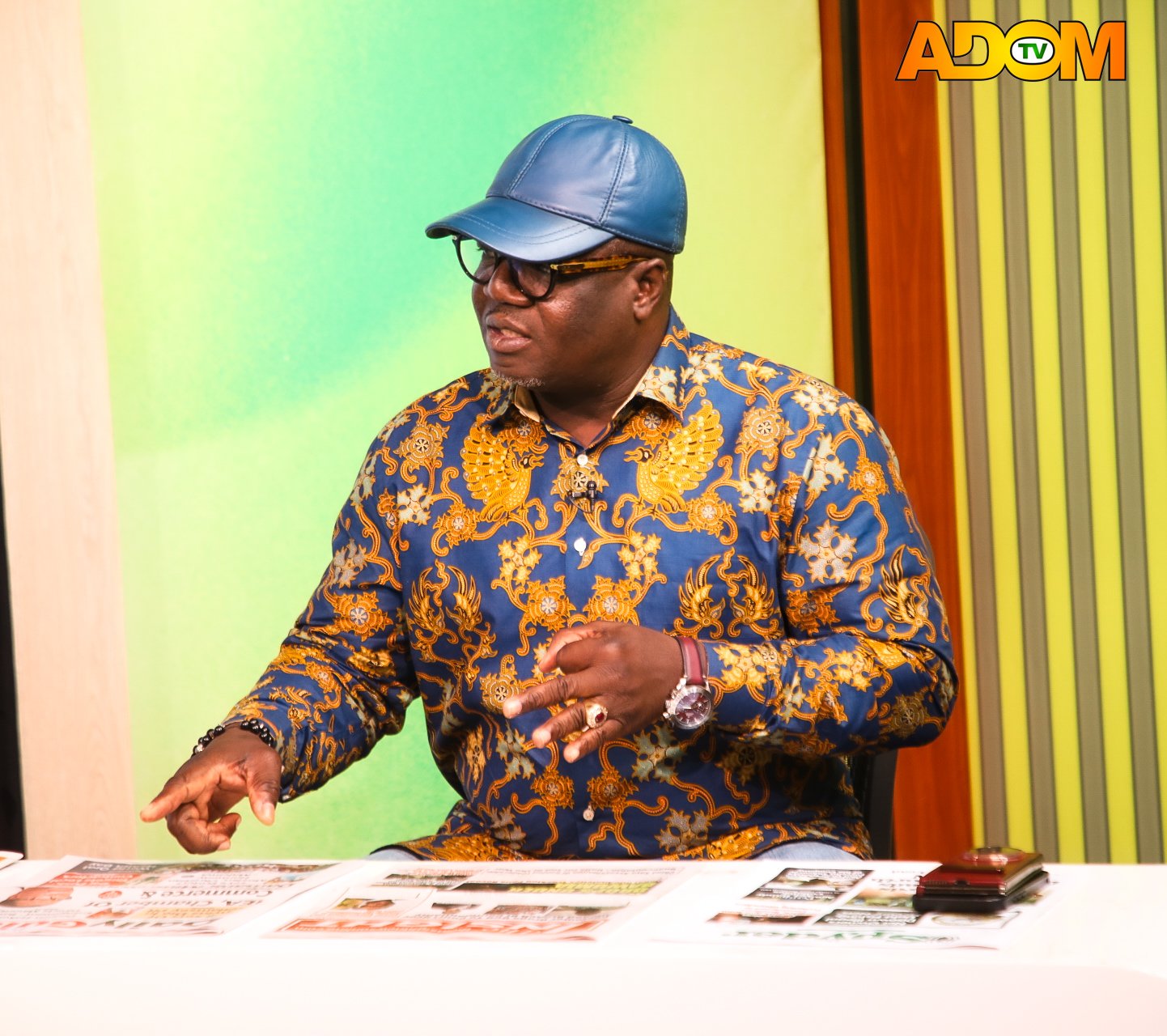
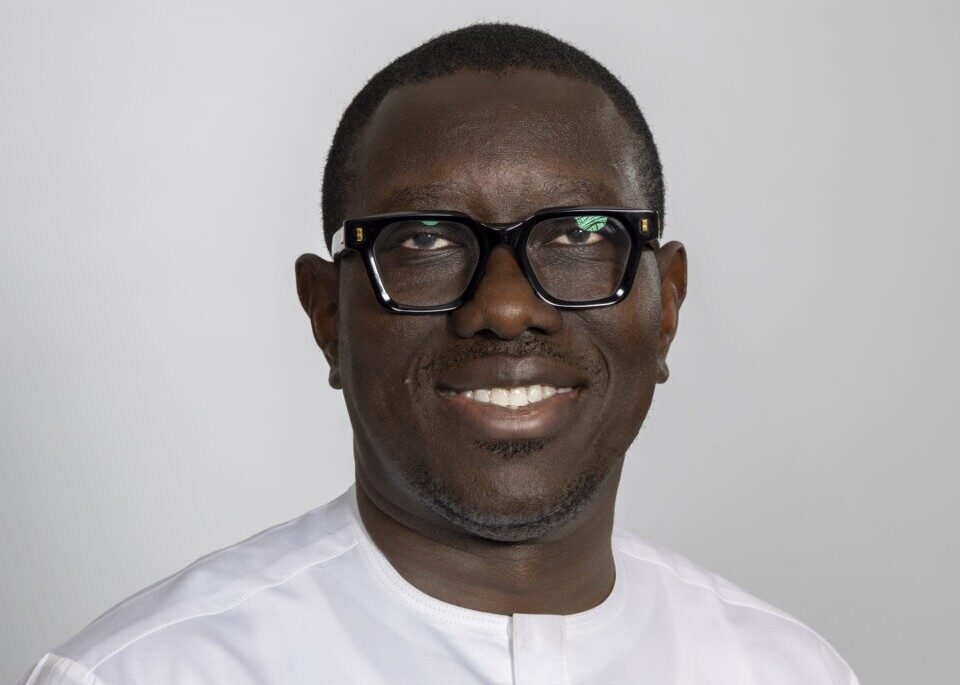
An opinion piece by ex-BNI boss Nana Attobrah Quaicoe argues that officials inside customs, police and immigration, not foreign cartels, top Ghana’s organised crime risk list.
Ghana's biggest organised crime problem is not foreign cartels sneaking past the gate, but officials already sitting inside the state machinery. That is the argument put forward by Nana Attobrah Quaicoe, an intelligence and national security analyst who served as Director General of the Bureau of National Intelligence (BNI) from 2022 to 2025, in an opinion piece published by Asaase Radio.
What the index says
Quaicoe points to the 2025 ENACT Organised Crime Index, which ranks categories of criminal actors across African countries. He writes that in Ghana the highest-scoring category was "state-embedded actors" — officials within the police, immigration, customs, excise and preventive services accused of helping along drug trafficking, arms trafficking and illegal mining from their own desks.
Mafia-style groups, the image most people carry in their heads when organised crime is mentioned, scored lowest of all categories, he says. He adds that the finding lines up with Afrobarometer survey data, which has repeatedly recorded public perceptions of corruption in some of those same institutions.
The Dunkirk cocaine case
The author links the data to a live case. After 3.9 tonnes of cocaine connected to Ghana was seized at the French port of Dunkirk, President John Mahama convened an emergency security meeting at Jubilee House on 17 September 2026. Security chiefs told the meeting that ten people were already in custody, four of them serving officers of the Customs Division of the Ghana Revenue Authority (GRA).
On 19 September, a spokesperson for the Narcotics Control Commission (NACOC) told TV3 that three suspects the commission had arrested had been under surveillance for "between a year and two", and that investigators waited so that connected suspects could be picked up together. Those three are described as alleged local representatives of Dutch fugitive Jos Leijdekkers, known as "Bolle Jos".
Quaicoe's point is that the surveillance claim covers the outward-facing network, not the four customs officers. Nobody has said publicly whether the two strands are the same case or separate ones, he writes.
"Juicy" versus "dry" postings
He argues that arrests alone cannot fix the problem, because an officer who controls a checkpoint is unlikely to be caught by that checkpoint's own procedures. He describes a well-known pattern inside Ghana's security and revenue agencies: officers compete hard for "juicy" postings such as airports, seaports, the Elubo and Aflao land borders, passport offices and mining areas, while difficult postings go begging. That reversal, he says, should itself be treated as a warning sign.
What is missing, in his view, is a standing internal intelligence capability — real vetting, verified financial disclosure and counter-intelligence units inside security and revenue agencies — insulated from the chain of command it may need to investigate.