
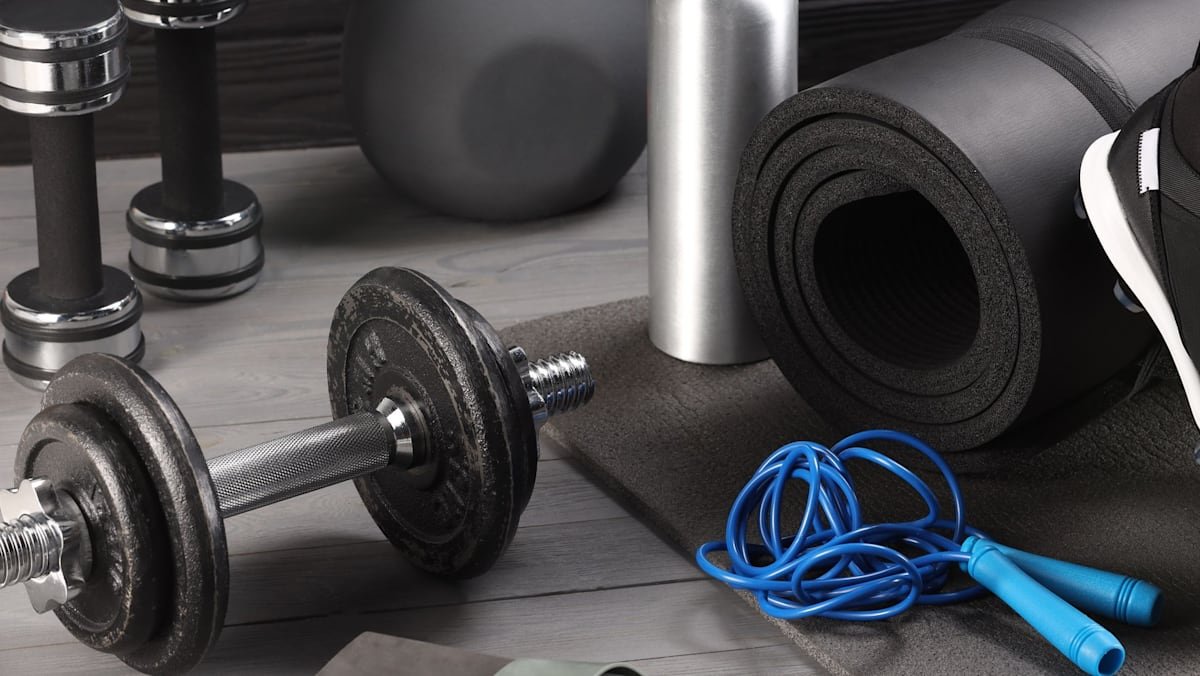
Exercise specialists say slower recovery with age is normal, but it is a signal to adjust your routine, not to stop moving.
If you finish a five-a-side game or a gym session and still feel stiff two days later, you are not imagining things. Recovery from exercise generally slows as people get older, and specialists say the fix is usually adjustment rather than quitting.
Most stiffness and soreness clear within 24 to 72 hours after a workout. What changes with age is how strongly you feel it and how long it lingers, according to reporting by Channel News Asia, which drew on interviews with doctors and exercise physiologists.
What is happening in the muscles
Exercise is essentially controlled stress. The body is forced to repair and rebuild muscle so it can handle the same demand next time. Dr Asad Siddiqi, chief of rehabilitation medicine at New York-Presbyterian Brooklyn Methodist Hospital, said younger people often recover without thinking about it, while older adults need to do deliberate "maintenance" to stay ready for training or sport.
Researchers point to two main reasons recovery drags. Older muscles are more easily damaged by exercise, and they regenerate more slowly.
Muscle mass typically begins declining from a person's 30s. The make-up of muscle also shifts: older adults lose more fast-twitch fibres, which produce force and power, than slow-twitch fibres, which support endurance. That can mean more stress spread across fewer fibres. Chronic, low-level inflammation also tends to rise with age — scientists call it inflammageing — and may slow muscle repair.
But the science is not settled. Christopher Hurst, an exercise physiologist at Newcastle University in England, said it is difficult to measure how much each factor contributes. Some researchers argue slower recovery has less to do with biological ageing and more to do with people simply becoming less active over the years, which itself causes muscle loss.
How to adjust
If recovery is consistently taking longer, or you feel drained and are performing worse than usual, the advice is to reduce intensity rather than stop. Hurst suggested working a particular muscle group fewer times per week, or switching to shorter but more frequent sessions.
Kelyssa Hall, an exercise physiologist at the Hospital for Special Surgery in New York, stressed hydration and protein. Older adults often feel less thirsty than they used to, and muscles become less efficient at using dietary protein, so protein should be spread across the day.
Persistent soreness or a flare-up of an old injury may be a sign to move to lower-impact activity. Sometimes the answer is adding, not removing: Dr Siddiqi noted that someone who only runs or cycles can prevent injuries by adding strength training.
The American College of Sports Medicine recommends 150 minutes of moderate aerobic exercise weekly plus two strength sessions. Hall said adults over 65 should aim for the same, guided by their medical history, and check with a doctor before starting anything new. Balance, mobility and weight-bearing work matter more with age, to cut fall and fracture risk.
Rest days count too. "All the physiological magic happens when you recover," Hurst said.