The Institute of Economic Affairs says Ghana’s nuclear plans will stall without clearer regulation, joined-up institutions and a realistic financing plan.
Ghana's plan to add nuclear power to its electricity mix will depend as much on paperwork, regulation and coordination between state agencies as on the technology itself, the Institute of Economic Affairs (IEA) has said.
The IEA, an Accra-based policy think tank, is calling for stronger institutional coordination, better regulatory preparedness and clearer investment planning as the country moves through the next stage of its nuclear programme.
What the meeting was about
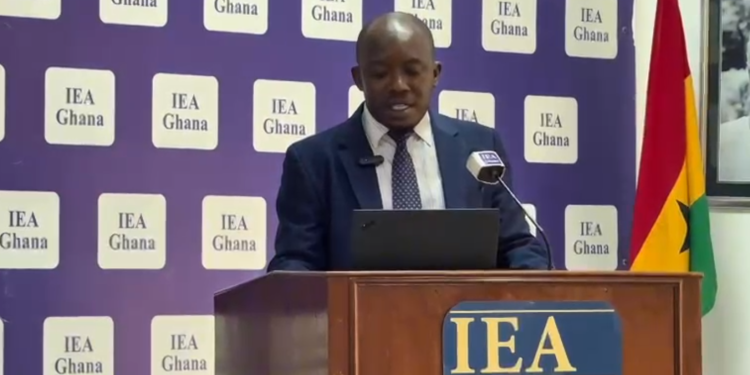
The call came at an inception meeting for Ghana Nuclear Phase II, where stakeholders went through the technical, institutional and financial requirements the country must meet to be ready for nuclear power development by the end of 2028. The Ghana Report carried details of the meeting.
The full name of the initiative is the Nuclear Phase II Completion and Institutional Readiness Support Programme. According to the IEA, it is a 12-month programme that will set the research agenda for the work of the Nuclear Energy Centre of Excellence.
Public information, not a takeover of mandates
Raymond Agalga, Nuclear Policy Analyst at the IEA and lead on the project, said the programme is designed to inform the public and to equip government agencies with the information they need to push the project forward.
He stressed that the think tank is not trying to step into the role of any state institution. The aim, he said, is "to provide a space for these institutions to speak for Ghanaians to know what the programme objective is about."
Agalga said the research being done ties Ghana's long-term development goals to practical questions: how the programme is governed, how it is financed, how it is regulated, how the workforce is trained, and how safety, nuclear security and public accountability are handled.
Why the 2028 marker matters
Nuclear programmes are built in phases, and each phase has to be completed before a country can credibly move to construction. The target discussed at the meeting is to have Ghana prepared for nuclear power development by the end of 2028. That means the regulator, the operating body, the financing arrangements and the skilled workforce all have to be in place and working together, not developed in isolation by separate agencies.
That is the gap the IEA is pointing at. Where institutions duplicate work or wait on each other, timelines slip and costs rise.
What to watch
For Ghanaians at home, the practical question remains cost and reliability of power supply over the next decade. For Ghanaians abroad following energy policy and investment at home, the signals to watch over the next 12 months are concrete: whether the regulatory framework is firmed up, how the project is to be financed, and whether government agencies publish clear, consistent information on what stage the programme has reached.