At the UN climate talks in Turkey, Ghana’s climate minister argued that promises of green cooperation will only count if they turn into financed, investable projects on the ground.
Ghana has urged China and African governments to move their green development promises past the paper stage and into projects that banks and investors will actually fund.
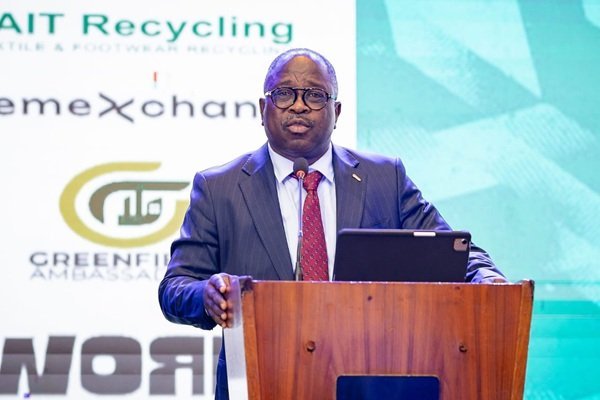
The call came from Seidu Issifu, Minister of State for Climate Change and Sustainability, at a high-level session held on Wednesday at the Ghana Pavilion during the 31st United Nations Climate Change Conference (COP31) in Antalya, Turkey. The Ghanaian Times reported the remarks from Antalya.
The session ran under the theme "Shared Future, Shared Prosperity" and focused on how to operationalise the Forum on China-Africa Cooperation (FOCAC) — the platform through which Beijing coordinates its economic and development engagement with African states — by building country-level investment pipelines.
The pledge on the table
Mr Issifu pointed to China's commitment under the FOCAC Beijing Action Plan covering 2025 to 2027 to back 30 clean energy and green development projects across Africa. He described the arrangement as a chance to deepen cooperation between the two regions.
But he cautioned that the outcome depends on whether governments and development partners can convert pledges into projects that are viable enough to attract investment and deliver results people can measure. In climate finance language, that means producing a "bankable" pipeline — proposals with costings, revenue logic and risk assessments that financiers can sign off on.
Ghana named in a Global South funding coalition
Dr Glen Gyimah, General Manager for Green Transition at the Jospong Group, told the session Ghana has been selected alongside Pakistan, Bangladesh, Sri Lanka and The Gambia to receive financial support from a Global South coalition aimed at building climate resilience.
Ghana is to host the secretariat for the group of countries.
Dr Gyimah said the money would go towards electric technology and green industrialisation, climate-smart agriculture and value chains, and resilience and water security.
He put a figure on what is at stake. "This is the time for us to convert them into a bankable pipeline budget," he said, referring to 3.2 billion dollars he said has been dedicated to the coalition.
According to Dr Gyimah, the Climate Vulnerable Forum is currently chaired by the Chinese government, which has made funds available for vulnerable countries to draw on. He said access is open to government institutions, non-governmental organisations and the private sector, provided their proposals align with the coalition's pillars.
Why it matters
For Ghanaians following from the United States and elsewhere, the practical question is whether this translates into power projects, water systems and agricultural investment at home — or stays in conference rooms. Ghana's position at COP31 is essentially that it should be judged on delivery, and hosting the secretariat puts Accra in a position to shape how the coalition's money is spent.
No timeline was given at the session for when the first projects under the arrangement would be approved.