A country that once sent rice and tomatoes across the border now spends about $2 billion a year buying food from abroad, the UCC head told an Accra lecture.
Ghana spends roughly $2 billion every year importing food, a figure Sir Sam Jonah says sits uncomfortably beside the country's own record of feeding itself half a century ago.
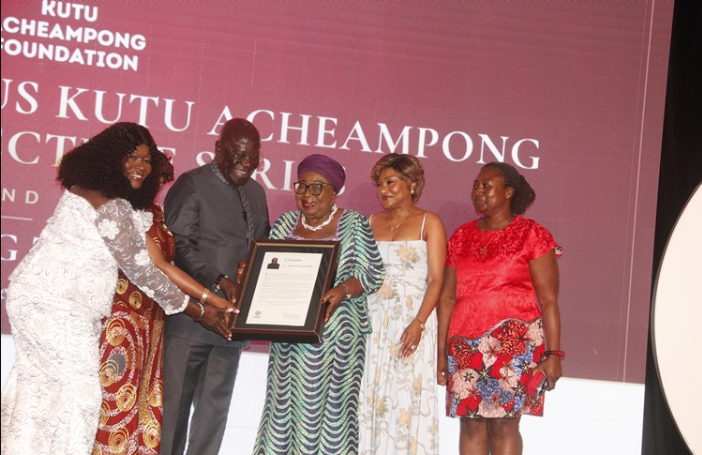
Sir Jonah, who the Ghanaian Times reports is the Vice-Chancellor of the University of Cape Coast (UCC), made the point while delivering the second General Ignatius Kutu Acheampong Public Lecture in Accra. He described the import bill as a painful reminder that a farming push that once worked was allowed to die off.
The 1970s record he pointed to
His central example was Operation Feed Yourself, the national food production campaign launched under the military government of General Acheampong in the 1970s.
Sir Jonah said rice imports dropped to zero in 1975 and 1976. Beyond that, farmers in northern Ghana were selling rice and tomatoes across the border to Upper Volta, the country now known as Burkina Faso.
Tamale produced so much grain during the period that it picked up the nickname "Rice City", he said.
It was not only farmers
What stood out about the campaign, according to Sir Jonah, was how many ordinary people took part.
Secondary schools grew their own food. University students volunteered to help harvest sugar cane. Bank managers and other salaried professionals spent their weekends on farms.
The campaign was led by Colonel Frank Bernasco, and mobilisation ran through traditional rulers, radio broadcasts and information vans that moved from community to community.
On the practical side, he said farmers received fertiliser and seeds at heavily subsidised prices, and government put money into irrigation infrastructure, including dams at Damwinya and Suture.
Why this matters now
For Ghanaians at home, the $2 billion figure is a foreign exchange story as much as a farming one. Money spent importing rice, poultry, oil and other staples is money leaving the economy in hard currency, which in turn feeds into pressure on the cedi and on food prices at the market.
For Ghanaians in the United States and elsewhere who send money home, that link is direct. When the food bill is paid in dollars, the cost of a basket of groceries in Accra or Kumasi tracks the exchange rate closely.
Sir Jonah's argument is not that the 1970s should be copied wholesale, but that the country has already proved it can produce enough, and that the lessons of that period, subsidised inputs, irrigation, and a genuine national mobilisation effort, were abandoned rather than built on.
The lecture series is named after General Acheampong, the head of state under whose administration Operation Feed Yourself was rolled out.