A US city delegation has opened talks with the state-backed fund that pays for specialised care, signalling possible diaspora-linked health partnerships.
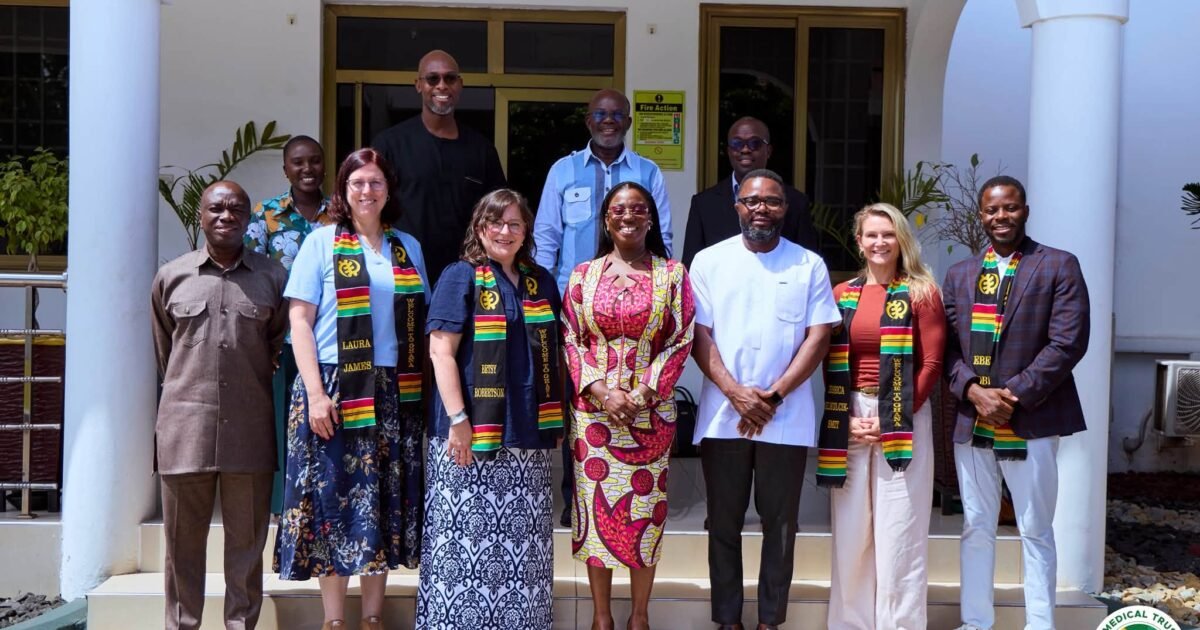
A delegation from Washington State in the United States has held talks with the Ghana Medical Trust Fund (GMTF) about possible cooperation in healthcare delivery, in a courtesy visit that both sides described as exploratory.
The visit was reported by MyJoyOnline. The delegation was led by Betsy Robertson, Mayor of Shoreline, a city in Washington State, and met the Fund's management team.
What was discussed
The two sides looked at areas of shared interest, with attention on strengthening how healthcare is delivered in Ghana and widening access to specialised medical services. Specialised care — treatment for conditions such as cancer, kidney disease and heart conditions — is often the most expensive and least available category of care for ordinary Ghanaian families.
The conversation stayed at the level of identifying practical entry points for collaboration rather than announcing a signed agreement. No funding figure, timeline or specific project was announced.
Who the GMTF is
The Ghana Medical Trust Fund is a state-backed fund set up to expand access to quality healthcare and improve treatment outcomes for patients across the country, with a focus on specialised medical services that fall outside routine primary care.
Its management team, led by Administrator Adjoa Obuobia Darko-Opoku, received the visitors and said the Fund is open to examining concrete areas of cooperation.
The Fund's position, as set out during the meeting, is that partnerships of this kind can help pull together technical expertise and resources for programmes that make a real difference to the health system.
Why it matters for Ghanaians abroad
For Ghanaians living in the United States, engagements like this are worth watching for two reasons.
First, Washington State has a sizeable network of hospitals, medical training institutions and public health agencies. Partnerships between US local governments and Ghanaian health bodies typically take the form of training exchanges, equipment support or technical advice rather than direct cash transfers.
Second, many Ghanaians abroad carry the cost of specialised treatment for relatives at home. Anything that improves the availability of that care locally reduces the financial pressure that lands on diaspora families.
What happens next
At this stage the visit is a courtesy call, not a deal. The GMTF has signalled willingness to move to practical discussions, but neither side has published a memorandum of understanding, a project list or a date for follow-up talks.
Readers should treat the meeting as a first step. Whether it produces anything measurable will depend on what the two sides agree in the months ahead, and on whether the collaboration is formalised in a document that sets out who funds what.