A dietitian speaking at an Accra forum says breast cancer is showing up in women in their twenties, and early screening remains the strongest defence.
Breast cancer is no longer a disease that mainly shows up in older women, a medical doctor and dietitian has warned, pointing to patients in their early twenties treated in Accra.
Dr Bernice Korkor Asare said cases involving a 22-year-old and a 27-year-old had been diagnosed at the Greater Accra Regional Hospital, widely known as Ridge Hospital. She urged young Ghanaian women to take up regular breast screening and to pay closer attention to what they eat.
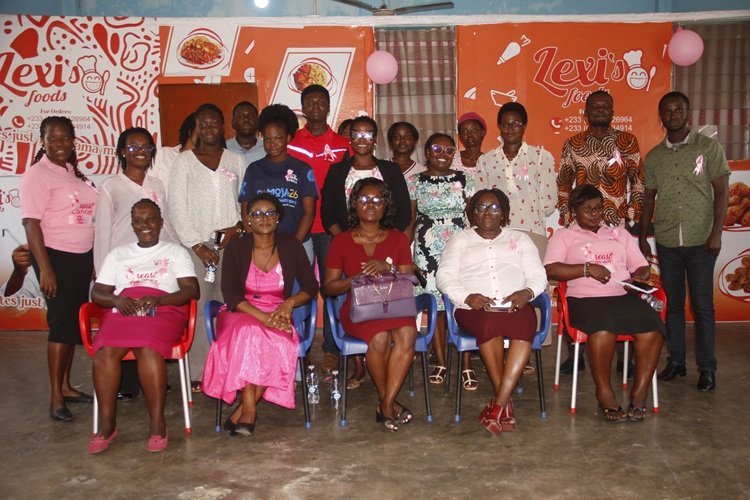
She was speaking at a forum in Accra organised by the Times Ladies Association of the New Times Corporation to mark Breast Cancer Awareness Month, which is observed in October. The event ran on the theme "Breast Cancer Awareness: Promoting Early Detection, Healthy Eating and Prevention". The forum was reported by Ghanaian Times.
What raises the risk
Dr Asare listed family history, obesity, heavy alcohol use, smoking, shisha use and diets loaded with fatty and fast foods among the factors that can increase a woman's risk. She also raised childlessness after the age of 40 as a point of concern.
Her advice was practical: exercise regularly, cut back on processed and canned foods, and stay away from cigarettes and shisha.
Breast cancer, she noted, remains one of the leading causes of cancer deaths among African women, which is why awareness and early detection matter so much.
Signs women should not ignore
Dr Asare cautioned women against brushing off symptoms that seem small. The warning signs she listed include a lump in the breast, persistent breast pain, bloody or milky discharge from the nipple, dimpling of the skin, an inverted nipple, and skin changes that give the breast the look of an orange peel.
When diagnosis is delayed, she said, the cancer can spread to the bones, liver and brain, which makes treatment harder and recovery less likely. In advanced cases, care may shift mainly to managing pain and other symptoms.
But she was clear that a diagnosis is not a death sentence. Caught early, she said, breast cancer can be treated successfully, even in cases where surgery is needed.
Food, and the myths
On diet, Dr Asare recommended foods rich in antioxidants, particularly vitamins A, C and E, which help protect cells from damage by free radicals. Her list included oranges, lemons, bell peppers, pineapples, kontomire, bokoboko, sweet potatoes, carrots and mangoes, all familiar items in Ghanaian markets and easy enough to find in African shops abroad.
She also dismissed common beliefs that oil-based perfumes, body powders or microwave ovens cause breast cancer, saying there is no scientific evidence behind those claims.
Dr Asare called for continuous public education to clear away the myths and push more women to seek screening and medical advice on time.