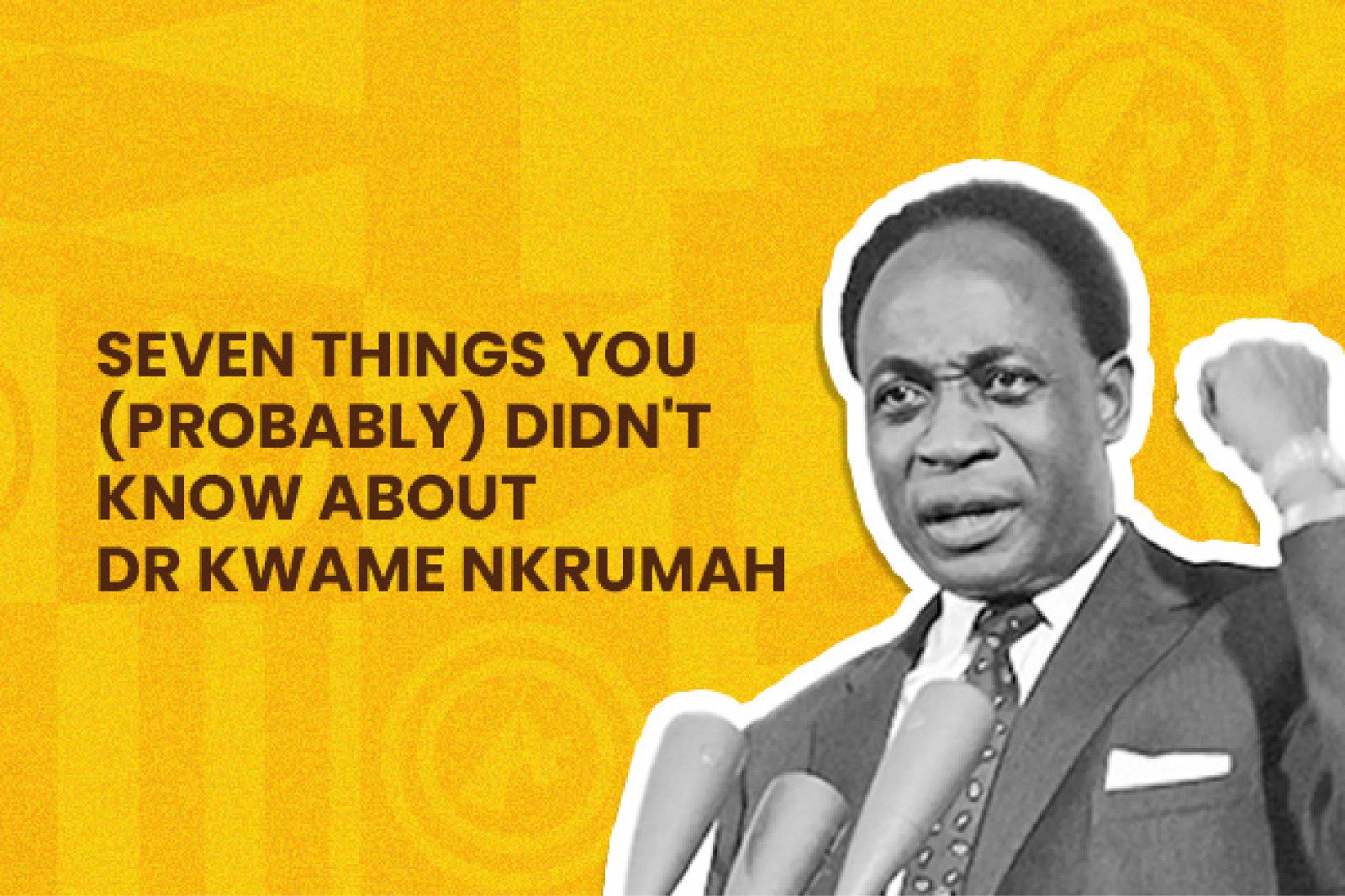
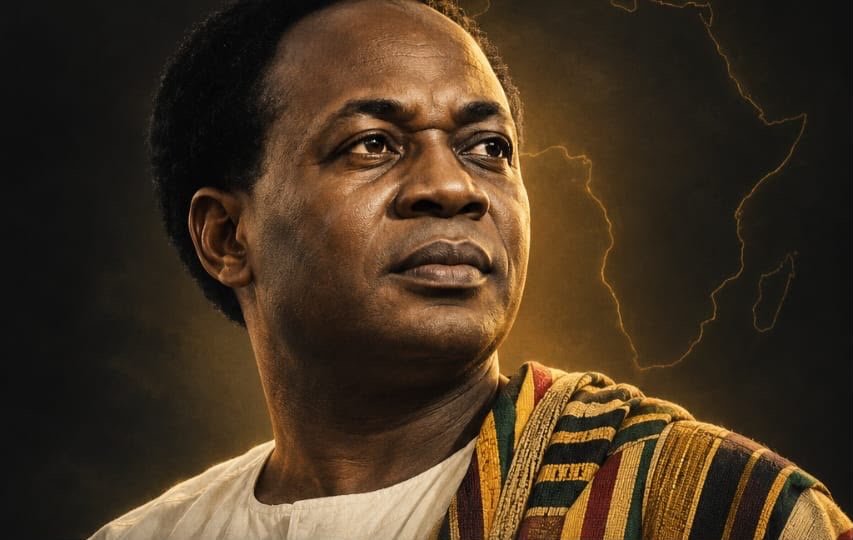
A September 21 commentary argues that Ghana honours Kwame Nkrumah less through statues and speeches than through institutions that keep his ambition working.
Every 21 September, Ghana marks the birthday of Dr. Kwame Nkrumah, the country's first President and the leader who took the Gold Coast to independence in 1957. The day usually brings wreaths, speeches and the familiar chant that "Nkrumah never dies."
A commentary published on the day by Kwesi Amoafo-Yeboah in Daily Guide Network takes that slogan and asks a harder question: what exactly is it that has not died?
The argument
The writer's position is that the phrase is not a denial of Nkrumah's physical death. It is a claim about continuity — the idea that the value a life creates can outlive the person who created it, provided later generations keep it in working order.
On that reading, Ghana's independence in 1957 mattered beyond Ghana. It served as proof that colonial rule could be ended, which meant other African territories did not have to argue the case from scratch. Freedom moved, in the writer's framing, from a dream to a precedent.
He describes this as one of the highest forms of leadership: not simply holding power, but widening what people who come afterwards believe is achievable. A generation, he writes, can inherit roads, schools and factories — but it can also inherit confidence.
Honouring without worshipping
The piece is careful not to present Nkrumah as beyond criticism. Continuity, it argues, does not require pretending every policy worked or every decision was sound.
Instead it calls for a mature national memory that separates what is still useful from what belonged to its time. Two lines capture the balance the writer is after: "To remember without examining is worship," he writes, adding, "To examine only to condemn is waste."
The unfinished assignment
Nkrumah's own view, the commentary notes, was that Ghana's independence could not be safe in an Africa that remained politically divided, economically dependent and institutionally weak. The writer argues those conditions have not been settled.
He poses the questions as live ones for today: whether African countries can turn political freedom into economic capability, whether they can build institutions that carry knowledge from one generation to the next, and whether the continent can integrate its markets and build productive capacity from its own natural and human resources.
If Nkrumah survives only in monuments and annual addresses, the piece concludes, his memory has been kept but his capability has not.
For Ghanaians abroad, many of whom mark the day in diaspora associations and church halls across the United States, the challenge lands the same way. The suggestion is that the anniversary is better spent auditing what has been preserved, lost or improved than reciting what was done nearly seven decades ago.