Health officials in the Oti Region say a door-to-door campaign is bringing people with untreated diabetes and hypertension into formal care for the first time.
Residents of the Biakoye District in Ghana's Oti Region who once turned to shrines and herbalists because they could not afford treatment are now showing up at health facilities, district health officials say, crediting the Free Primary Healthcare Programme.
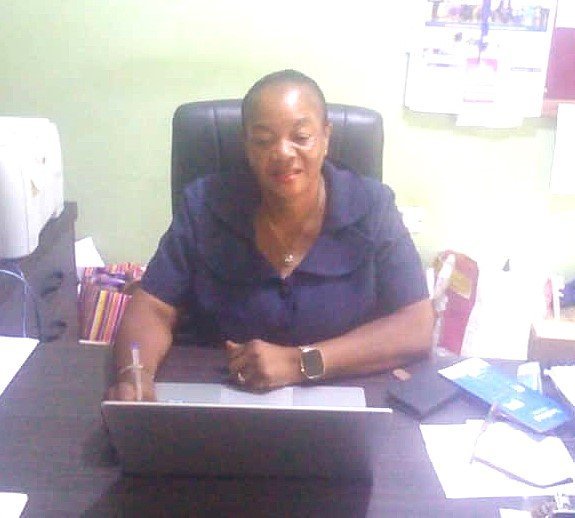
The District Director of Health, Ms Rita Ama Narlyn Wurapa, told the Ghanaian Times in an interview at Nkonya-Ahenkro that the shift followed a sustained public education drive by the Biakoye District Health Directorate. Health workers went house to house explaining the programme, and attendance at facilities has risen since.
Chronic illnesses found late
According to Ms Wurapa, facilities in the district are now detecting chronic conditions such as diabetes and hypertension in patients who had previously blamed their symptoms on evil spirits and sought help at shrines or from herbalists.
She said some patients arrived with wounds that would not heal, a known complication of diabetes, after living with the condition untreated for years.
Ms Wurapa did not dismiss traditional practitioners. She acknowledged that shrines and herbalists have cared for many people over the years, but advised residents to go to a health facility first when they fall ill. Where a medical assessment finds no identifiable condition and the person still feels unwell, she said, they are free to seek other support.
What the programme covers
Under the Free Primary Healthcare Programme, Ms Wurapa said, services including maternal care, health screening and treatment for non-communicable diseases are provided at no cost to the patient. Non-communicable diseases are long-term illnesses such as diabetes, hypertension and stroke, which are not spread from person to person.
She said access to free care has also cut down on self-medication, where people buy drugs over the counter without a diagnosis. Patients with serious conditions are referred to hospitals for further treatment.
The numbers so far
The District Public Health Nurse, Mr Edward Norgbe, who coordinates the programme locally, said clinical and maternity nurses are visiting communities regularly to explain how it works.
He said 1,700 homes have been visited during the outreach and 1,500 households have been registered.
Mr Norgbe added that beneficiaries are issued a one-time attendance code, which helps staff identify people accessing care under the programme, including those who are not registered with the National Health Insurance Scheme.
Why it matters
For Ghanaians abroad who regularly send money home to cover hospital bills for relatives in rural districts, the expansion of free primary care in areas like Biakoye could ease some of that burden, particularly for screening and routine maternal services.
Ms Wurapa commended nurses and other health workers in the district, saying their conduct had built public confidence. She also praised President John Dramani Mahama for introducing the initiative and the Oti Regional Health Directorate for supporting its rollout.