The package mixes grants from Europe with cheap long-term lending to tackle water shortages in parts of the Northern and Savannah regions.
Ghana has put together a €323 million financing package for the Northern Ghana Water and Sanitation Project, a scheme meant to ease long-running water shortages in Tamale, Yendi and Damongo and improve sanitation in surrounding communities.
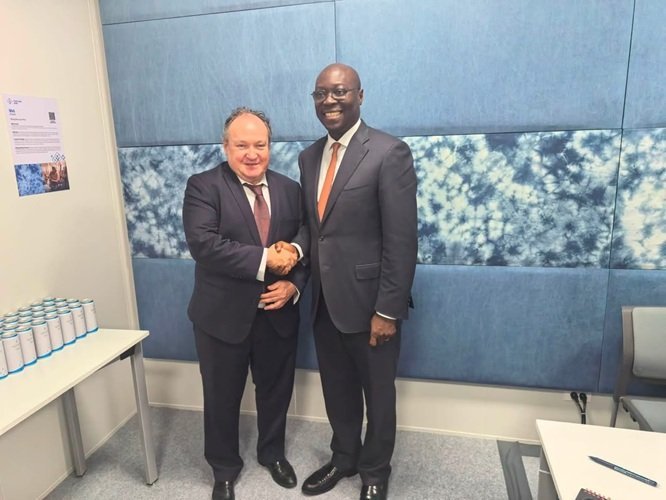
Finance Minister Dr Cassiel Ato Forson announced the arrangement in a post on his social media page, saying he had just wrapped up a meeting with Ambroise Fayolle, Vice-President of the European Investment Bank (EIB), the lending arm of the European Union. The announcement was reported by Ghanaian Times.
What is in the package
The money comes from three sources rather than one loan:
- €68 million grant from the European Commission, the executive body of the European Union.
- €30 million grant from Invest International, a development finance initiative backed by the Dutch government.
- €225 million highly concessional facility from the EIB.
The word "concessional" matters here. It means the borrowing carries softer terms than commercial loans — typically lower interest and longer repayment periods. Combined with the two grants, which do not have to be repaid at all, the structure is designed to keep the cost to the public purse down.
Almost a third of the total, €98 million, is grant money.
Why these three towns
Tamale is the largest city in northern Ghana and the capital of the Northern Region. Yendi, also in the Northern Region, and Damongo, the capital of the Savannah Region, are both growing district centres that have struggled with unreliable supply.
Water shortages in the north are tied to a harsh dry season, rising demand from expanding towns, and treatment and distribution systems that have not kept pace. Dr Forson said the project is expected to tackle those persistent shortages while also improving sanitation in the affected communities.
What we still do not know
The announcement, as made, does not set out a start date, a construction timeline, the contractors involved, or how many residents the project is expected to reach. It also does not spell out whether the financing has gone through Parliament, which must approve loan agreements before they take effect under Ghanaian law.
Those details would normally follow in a formal agreement and a parliamentary memorandum.
For Ghanaians abroad
For members of the diaspora with family in Tamale, Yendi or Damongo, this is the kind of announcement worth tracking past the headline. Water projects in Ghana have a history of long gaps between signature and delivery. The useful questions over the coming months are when the agreement reaches Parliament, which communities are actually in the design, and when the first works begin.
NewsPulse GH will follow the project as further details are released.