
The opposition party says the ban should be written into the Constitution itself, not left to ordinary legislation, to curb conflicts of interest in Parliament.
The New Patriotic Party (NPP) says sitting Members of Parliament (MPs) should be blocked by the Constitution itself from serving on the boards and procurement bodies of institutions funded with public money.
The party made the call at a press conference on Thursday, 17 September 2026, where it set out its stance on the country's ongoing constitutional reform process.
What the party is asking for
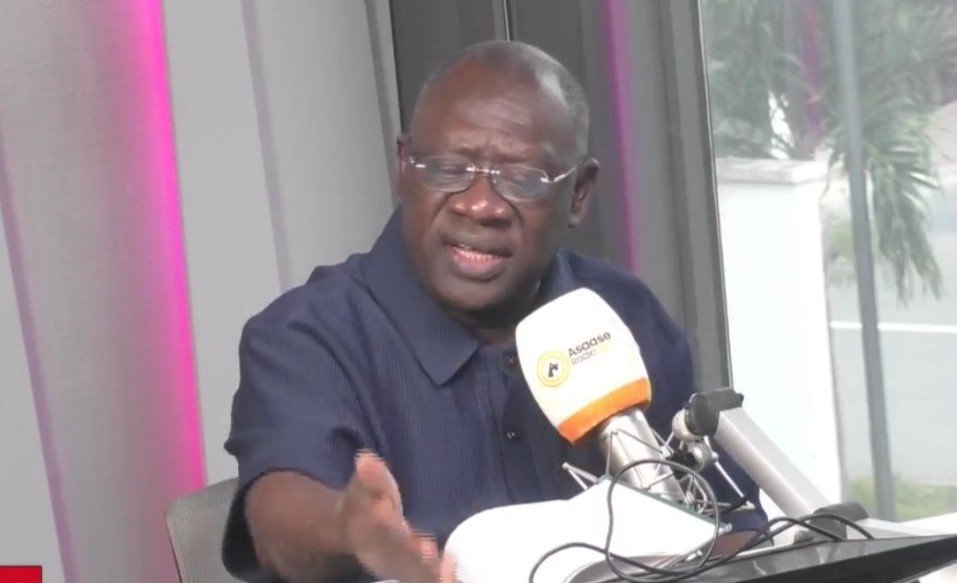
The NPP's position was presented by Sulemana Tampuli Alhassan, the MP for Gushegu. He said the party is throwing its weight behind a recommendation from the Constitutional Review Committee (CRC), the body set up to study the 1992 Constitution and propose changes.
According to him, the CRC recommended tougher conflict-of-interest rules and specifically proposed that MPs should not sit on public boards or on the procurement bodies of publicly funded entities. Procurement bodies are the committees that decide how institutions spend money on contracts, goods and services.
Tampuli argued that placing the restriction in the Constitution would be more durable than leaving it to an ordinary law or an administrative rule, which a future government or Parliament could more easily change.
"We think that the recommendation of the CRC is very good," he said, adding that the reform "would strengthen the integrity and independence of Parliament."
The disagreement over method
The argument is not really about whether conflicts of interest are a problem. It is about how to fix them.
Tampuli said the government rejected the idea of amending the Constitution and preferred instead to rely on proposed legislation setting out a code of conduct for public officers. The NPP believes that approach is too weak.
The party's case is that MPs who sit on state boards can end up overseeing, in Parliament, the very institutions whose spending decisions they help take. Removing them from those seats, it argues, protects public funds and makes it easier for the legislature to hold the executive to account.
Why it matters
Parliament's oversight role is one of the main checks on how public money is spent in Ghana. For Ghanaians abroad who follow governance debates at home and who send remittances into the economy, the question of who guards state contracts is not an abstract one.
The CRC's recommendations are proposals. They do not become law until they go through the required constitutional amendment process, and entrenched provisions in the 1992 Constitution require a national referendum.
For now, the NPP has placed itself on the side of a constitutional fix. What happens next depends on whether the government shifts from its preference for legislation, and how the wider reform package is handled in Parliament.
Reported first by MyJoyOnline on 2026-09-17. This article was written for our readers based on that report. Follow the link for the original coverage.