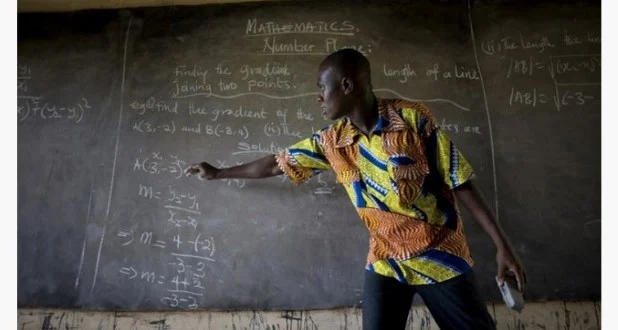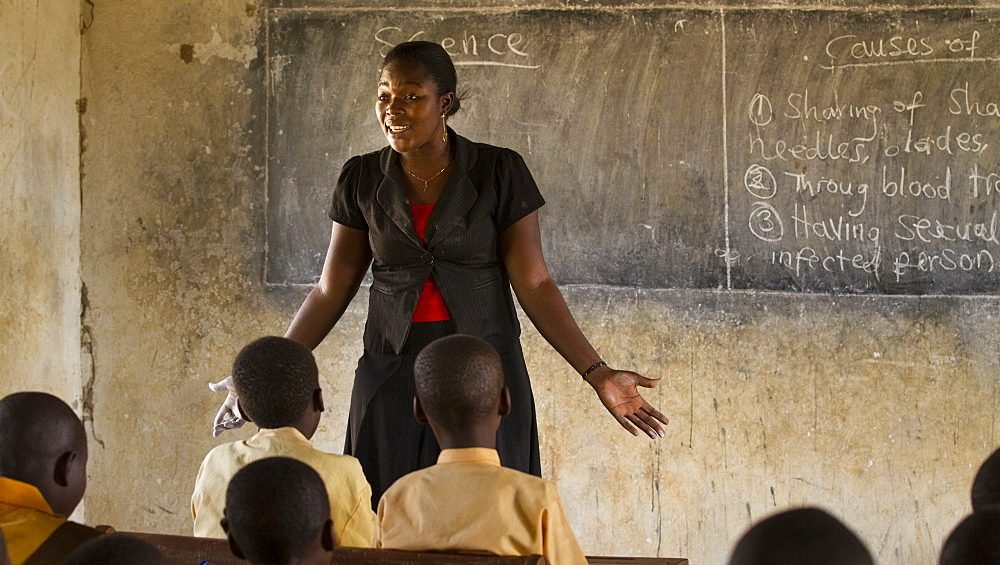
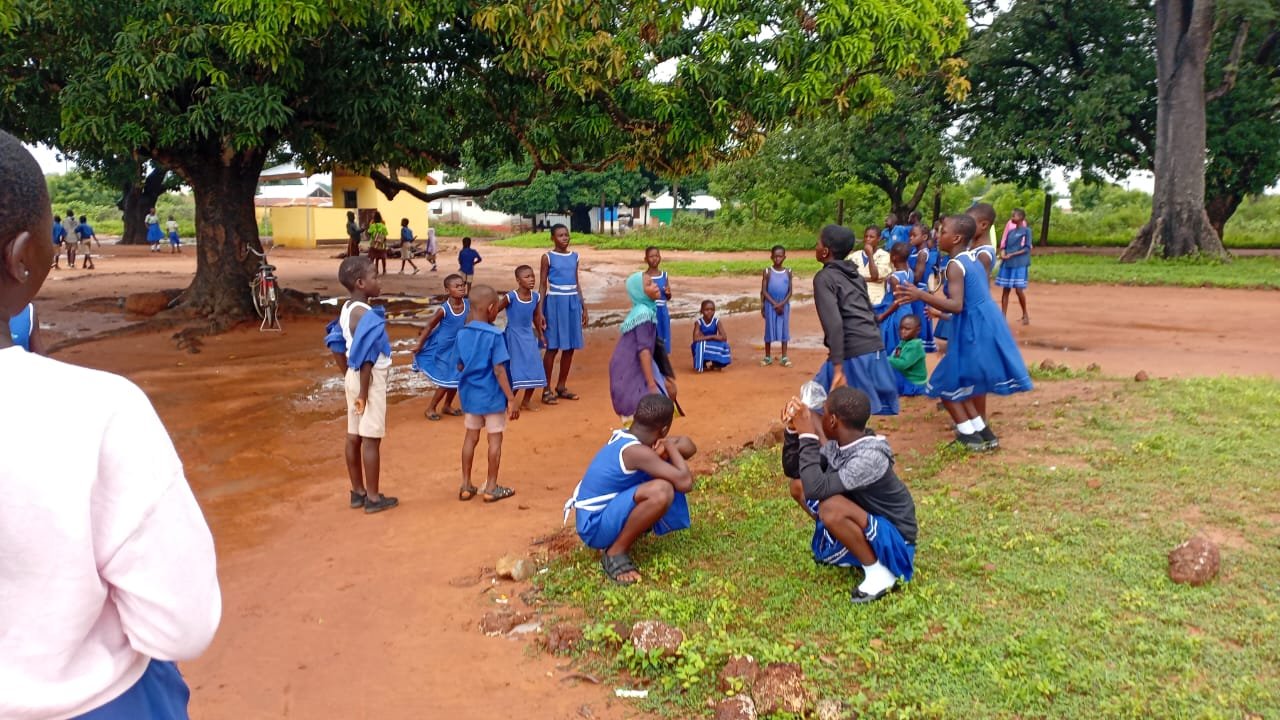
Pupils in the northern district are reporting to school only to play, as three teacher unions press government over unresolved conditions of service.
Schools in the Kpandai District have largely stopped teaching, as the nationwide strike by Ghana's pre-tertiary teacher unions keeps staff away from the classroom.
Adom Online, which visited a number of schools in the district, found teachers absent and pupils gathered in groups on school compounds during hours meant for lessons. Many children had reported to school as usual, only to spend the day moving about and playing.
What triggered the strike
The action began on Friday, September 25, 2026, and was declared jointly by the country's three biggest pre-tertiary teacher groups:
- the Ghana National Association of Teachers (GNAT), the largest union of basic and second-cycle school teachers;
- the National Association of Graduate Teachers (NAGRAT), which organises teachers holding degrees; and
- the Pre-Tertiary Education Teachers Association of Ghana (PRETAG).
In a joint statement, the unions said they had grown frustrated with what they called prolonged delays in resolving key concerns about teachers' conditions of service. They pointed specifically to the handling of those matters by the Fair Wages and Salaries Commission (FWSC), the state body that sets and negotiates public sector pay structures, and the Controller and Accountant-General's Department (CAGD), which processes salaries and allowances for government workers.
The unions did not, in the material available, set out a timetable for ending the action.
Why Kpandai matters
Kpandai is a largely rural district, and public basic schools there are the main and often only option for families. When teachers withdraw, there is no private alternative to absorb the pupils, so instructional time is simply lost. Pupils who have travelled to school still have to be supervised, and parents who depend on school hours to work are affected too.
The pattern seen in Kpandai is not unique to the district. Because the strike was declared at national level by all three major unions, similar disruption is expected wherever public pre-tertiary schools operate.
For Ghanaians watching from abroad
Many Ghanaians in the United States and elsewhere pay school fees, buy books and support relatives' children back home. A strike of this kind means those payments do not translate into lessons for as long as it lasts. Families abroad supporting pupils in districts such as Kpandai may want to confirm directly with school heads whether classes are running before term-time arrangements, transport or boarding payments are made.
What happens next
The immediate question is whether the FWSC and the CAGD move quickly enough on the unions' concerns to get teachers back to their posts. Until there is an agreement or a suspension of the strike, classrooms in Kpandai and other districts are likely to stay empty.
NewsPulse GH will follow the negotiations and report any change in the unions' position.