The Ministry of Food and Agriculture says pulling out of the World Bank-backed West Africa Food System Resilience Programme leaves GH¢643.87 million in signed contracts without funding.
The Ministry of Food and Agriculture (MoFA) is asking the Ministry of Finance to reverse Ghana's decision to pull out of the West Africa Food System Resilience Programme (FSRP), warning that the country is already tied to contracts worth GH¢643.87 million under the scheme.
The FSRP is a regional programme aimed at strengthening food systems, raising farm productivity and improving food security across West Africa.
What happened
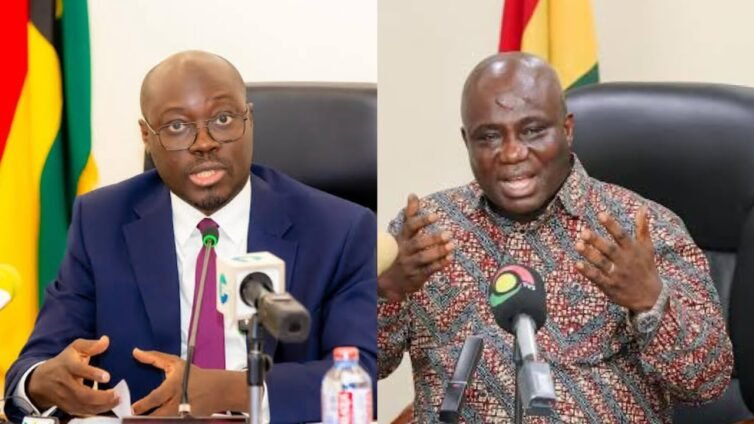
According to reporting by Adom Online, Agriculture Minister Eric Opoku set out his ministry's concerns in a letter to the Finance Minister. He said the request for Ghana to withdraw was sent to the World Bank on 23 September without MoFA being consulted beforehand.
"The Ministry requests urgent reconsideration of the decision," Mr Opoku wrote.
The money already committed
MoFA says it has signed contractual obligations totalling GH¢643,867,633.36 for projects being carried out under the programme, most of them agricultural infrastructure works that are already running.
Of that amount:
- GH¢520.26 million is financed through the International Development Association (IDA), the arm of the World Bank that lends to lower-income countries on concessional terms.
- GH¢123.61 million comes from the FS2030 Trust Fund.
The ministry's argument is straightforward. If the external financing stops but the contracts remain, government will have to find the money somewhere else in the budget to pay contractors who have already been engaged.
The risks MoFA is flagging
MoFA warns that without a replacement source of funding, the projects could stall. It lists three consequences it fears: delays in implementation, higher costs, and contractual claims brought against the government by affected parties.
That last point matters. Where a state agency signs a contract and then cannot pay, the counterparty can pursue compensation, and judgment debts have been a long-running drain on Ghana's public purse.
The ministry is therefore asking for an urgent review of the withdrawal so that existing commitments are protected and legal complications are avoided.
Why it matters
For farmers and communities where FSRP-funded infrastructure is being built, the immediate question is whether work continues. The source report does not name the specific project sites or contractors involved.
For Ghanaians abroad who follow the economy, the episode points to a coordination gap between two ministries on an externally financed programme, and to the wider pressure on government to manage donor-backed projects carefully while keeping spending in check.
What happens next
The decision now sits with the Finance Ministry, which has not publicly responded to MoFA's letter. The World Bank has also not issued a public statement on Ghana's withdrawal request. Until one of them speaks, it is not clear whether the exit will stand or be reversed.