Three pre-tertiary teacher unions say they will only return to class when promotion and salary arrears show up on payslips and in bank accounts.
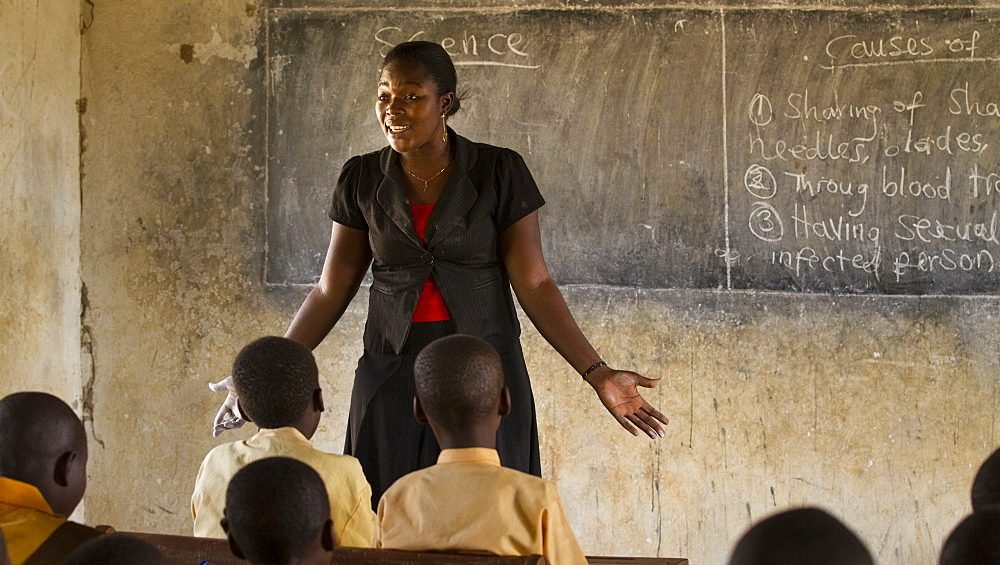
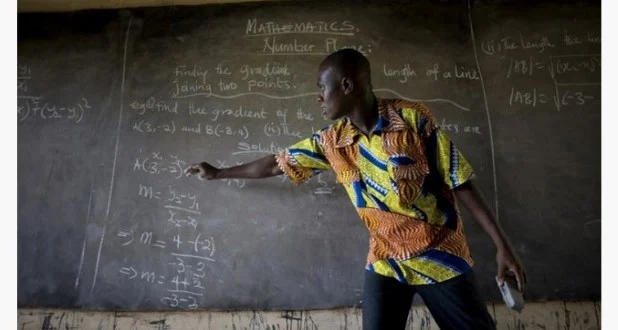
Public school classrooms across Ghana remain without teachers as the country's three main pre-tertiary teacher unions press on with a nationwide strike over unpaid arrears.
A meeting on Monday, September 28, between the unions and Education Minister Haruna Iddrisu ended without a breakthrough, The Ghana Report has reported. The unions left the table saying they had been given fresh assurances but no proof that money is moving.
Who is on strike
The action is being led by the Ghana National Association of Teachers (GNAT), the National Association of Graduate Teachers (NAGRAT) and the Pre-Tertiary Teachers Association of Ghana (PRETAG). Together they represent teachers in basic and second-cycle schools, that is, everything below university level.
They laid down their tools over two issues: outstanding promotion arrears owed to teachers who have been upgraded but not paid at their new rank, and what they describe as delays in negotiations on their conditions of service.
"We want action"
Isaac Baah, who heads salaries at GNAT, said the session with the minister and his team followed a familiar pattern.
"It has been the old story of promises upon promises," he said.
He added that the unions had passed the point where words would be accepted: "Where we have reached, at the moment we are not taking promises; we want action."
The unions have set out a clear test for what counts as action. They want the arrears to appear as figures on teachers' payslips and to land in their bank accounts. Until that happens, Mr Baah said, teachers will stay at home.
Government's position
Mr Iddrisu has asked the unions to call off the strike and let teaching resume while talks continue. He says the Education Ministry is working with three bodies on the payments:
- The Controller and Accountant-General's Department, which processes government payroll.
- The Fair Wages and Salaries Commission, which sets and harmonises pay levels across the public service.
- The Ghana Education Service, the agency that runs pre-tertiary public schools and employs the teachers.
That request has not moved the unions so far.
What it means
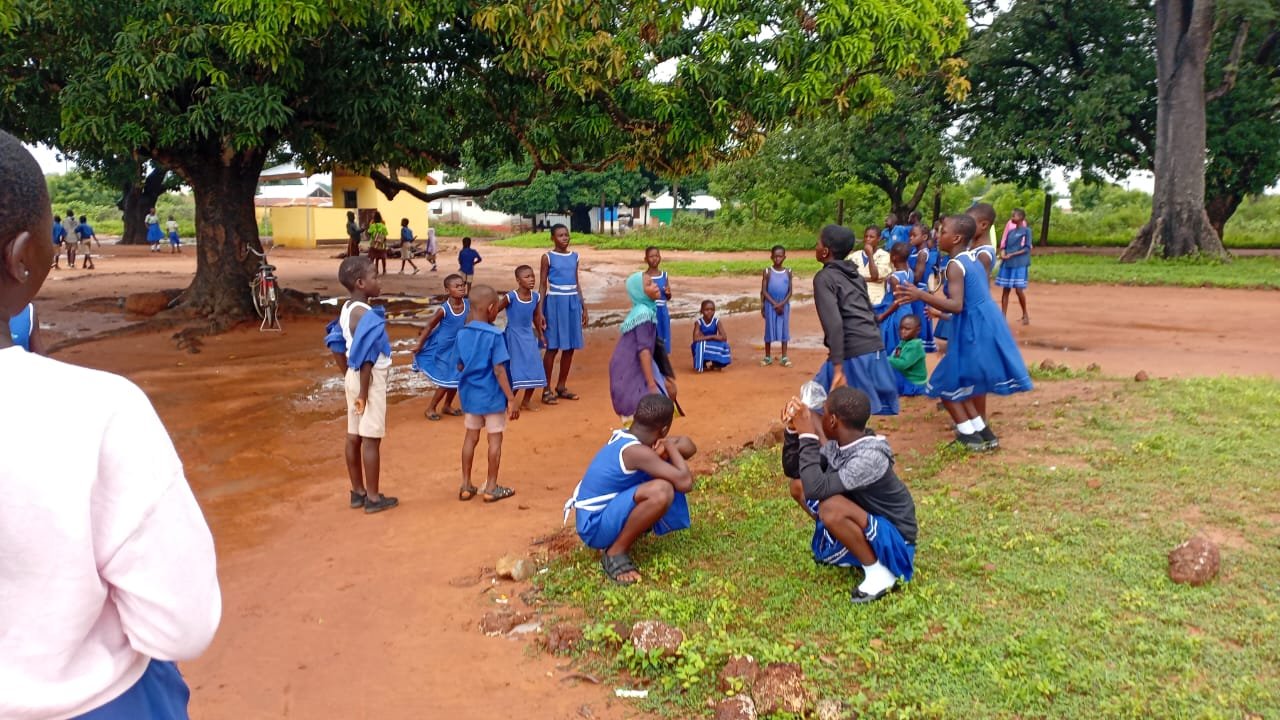
Every day the strike runs is a day of lost instruction in public basic and secondary schools, which serve the bulk of Ghanaian schoolchildren. Families who can afford private schooling are unaffected; those who cannot are the ones carrying the cost.
For Ghanaians in the United States and elsewhere supporting relatives back home, the practical question is how long the disruption lasts and whether children in public schools fall behind in the term.
No new date for talks was announced after Monday's meeting. The unions say the timing of any return to the classroom now rests entirely on when the payments show up.