A row over Ghana’s reputation in global drug trafficking has sharpened after a string of cocaine seizures tied to shipments leaving the country’s ports.
A senior aide to New Patriotic Party (NPP) flagbearer Dr Mahamudu Bawumia says the government cannot talk its way out of the "Cocaine Coast" description now being attached to Ghana, and must instead show results at the ports.
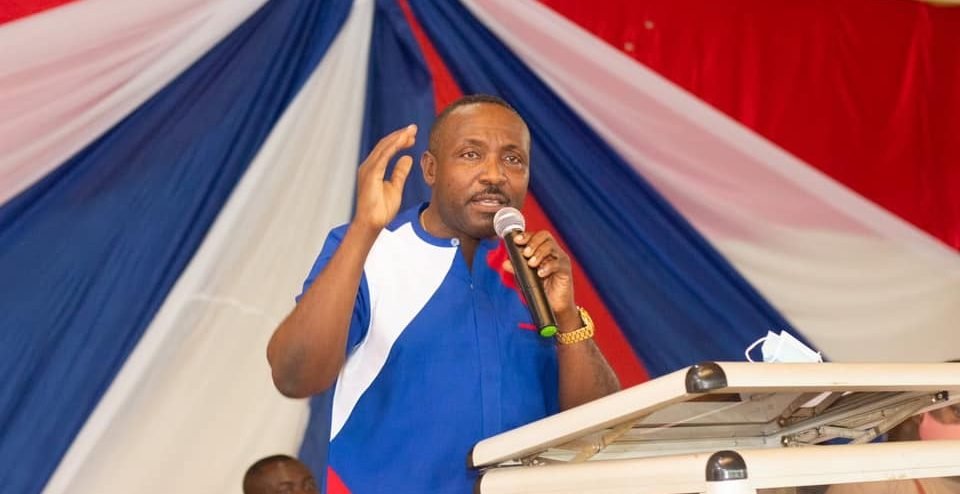
Dennis Miracles Aboagye made the argument in a Facebook post on Thursday, October 1, 2026, addressed directly to government spokesperson Felix Kwakye Ofosu, as reported by MyJoyOnline.
"We can reject the name by action and not speaking," Mr Aboagye wrote.
Where the label came from
Mr Aboagye's central point is that the label did not come from drug busts made inside Ghana. In his telling, it came from the volume of cocaine that allegedly moved through Ghanaian ports undetected and was only picked up by foreign agencies.
He claimed that about seven such consignments left the country without interception within a 20-month period. NewsPulse GH has not independently verified that figure, and the government has not responded to it directly.
The most prominent case is the seizure in September by French customs officers at the Port of Dunkirk, where nearly 3.9 tonnes of cocaine was found in a container of plastic waste that had sailed from Ghana. That single case has driven much of the current debate.
Other recent cases cited include 866 parcels of cocaine seized at Tema Harbour in August and more than 5,100 parcels of suspected narcotics intercepted in the Oti Region in September.
The government's position
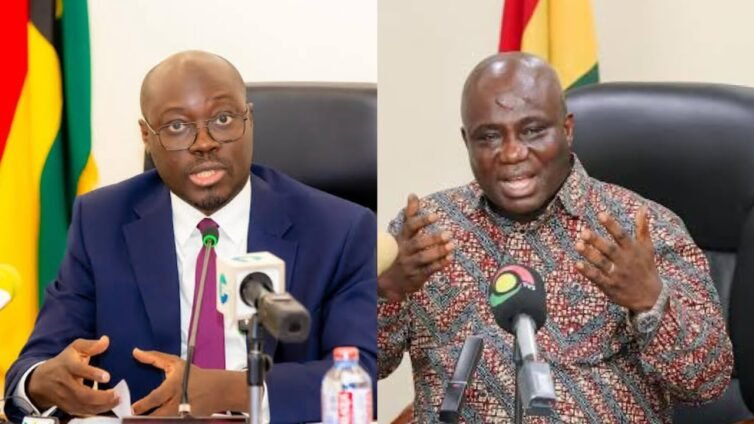
Mr Kwakye Ofosu has rejected the "Cocaine Coast" description, arguing that the seizures and arrests made by Ghanaian security agencies are evidence that the country's anti-narcotics systems are functioning.
He has drawn a distinction between two categories of cases: consignments stopped by Ghanaian agencies, and those that slip past local checks and are caught in other countries. He accepts that the second category is a legitimate worry.
According to the spokesperson, President John Mahama has already called in the security agencies over gaps in port security, including poor information sharing and weak coordination between institutions. The President has instructed them to work more closely together and tighten controls at the ports.
What happens next
Mr Aboagye has previously pushed for Parliament to open an inquiry into the run of cocaine cases, framing it as a national security matter rather than a party-political fight. No such inquiry has been announced.
For Ghanaians abroad, particularly in the United States, the stakes go beyond politics. A country's reputation in international narcotics enforcement can influence how its exports are screened, how its shipping containers are treated at foreign ports, and how travellers are handled. The Dunkirk case shows how quickly a single container can shape perceptions of an entire trade route.