Residents in the Bono Region say pollution of the Tano and Ankobra is now a threat to farming, food prices and the rivers children once studied.
Residents of Berekum in the Bono Region are asking the government to step up enforcement against illegal mining, known locally as galamsey, and illegal logging, warning that rivers in their area are being destroyed faster than they can recover.
The appeal was made as the world marked World Rivers Day, an annual observance that draws attention to the value of rivers and the need to manage them sustainably. Adom Online reported the residents' concerns.
Which rivers are affected
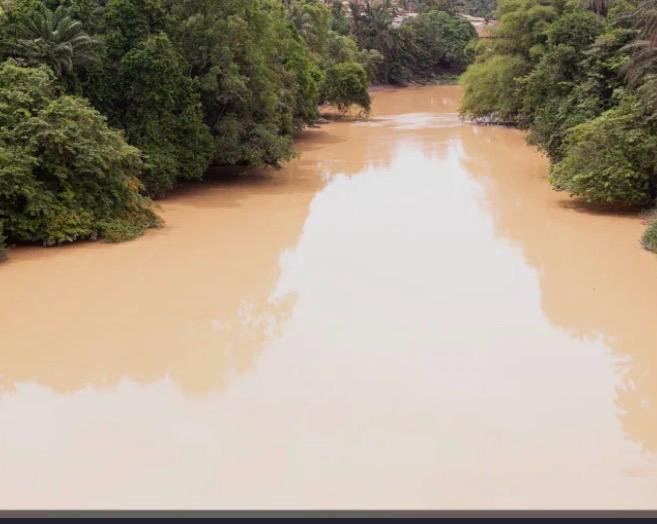
The residents named the Tano and the Ankobra, along with other rivers in the region, as water bodies now under heavy pressure from mining activity and the felling of trees along their banks.
They said several of these rivers once supplied water for farming, including irrigation, and that farmers in the area depended on them.
The link to food and prices
Their central warning is economic. If farmers lose dependable water sources, the residents argue, crop production will fall. That, they said, could lead to shortages of food items and push prices up, adding to inflation.
For Ghanaians abroad who send money home, that link matters. Food costs are one of the biggest drivers of household pressure, and the residents are framing river pollution as a food security problem rather than only an environmental one.
Damage beyond the water
The residents also raised concern about the clearing of vegetation along riverbanks. When trees are removed, they said, water bodies are left exposed to direct sunlight, which harms the river ecosystem and makes it harder for the rivers to stay healthy.
There is a social loss too. Some of these rivers were once used by teachers as living examples in lessons, helping pupils understand rivers and natural resources. The residents said a number of those water bodies are now so degraded that they are close to disappearing, taking away both a natural resource and a teaching landmark for the next generation.
What they are asking for
The residents set out a list of measures they want the government to take:
- Stronger enforcement against illegal mining and illegal logging, especially in protected areas and along riverbanks
- Tougher sanctions for individuals and companies found destroying water bodies
- More monitoring of mining operations and strict application of existing environmental rules
- Wider buffer zones along rivers, properly enforced
- Large-scale restoration and reforestation of damaged riverbanks
- Support for affected communities to move into sustainable livelihoods
They added that the effort cannot rest on government alone. Traditional authorities, local communities, security agencies, environmental regulators and the agricultural sector should all be part of it, they said.
Their overall message is that protecting rivers is about safeguarding farming, jobs and the wellbeing of future generations, and that it should be treated as an urgent national priority before more rivers are lost for good.